5G and Senior Medical Devices: What You Need to Know
ElderVoice
March 14, 2026
Key takeaways
- The 5G rollout could potentially interfere with some older medical devices, especially those operating on similar frequencies.
- Families should check the FCC database for reported interference incidents and consult with medical device manufacturers about 5G compatibility.
- Simple steps like using shielded cables and keeping devices updated can help mitigate potential risks.
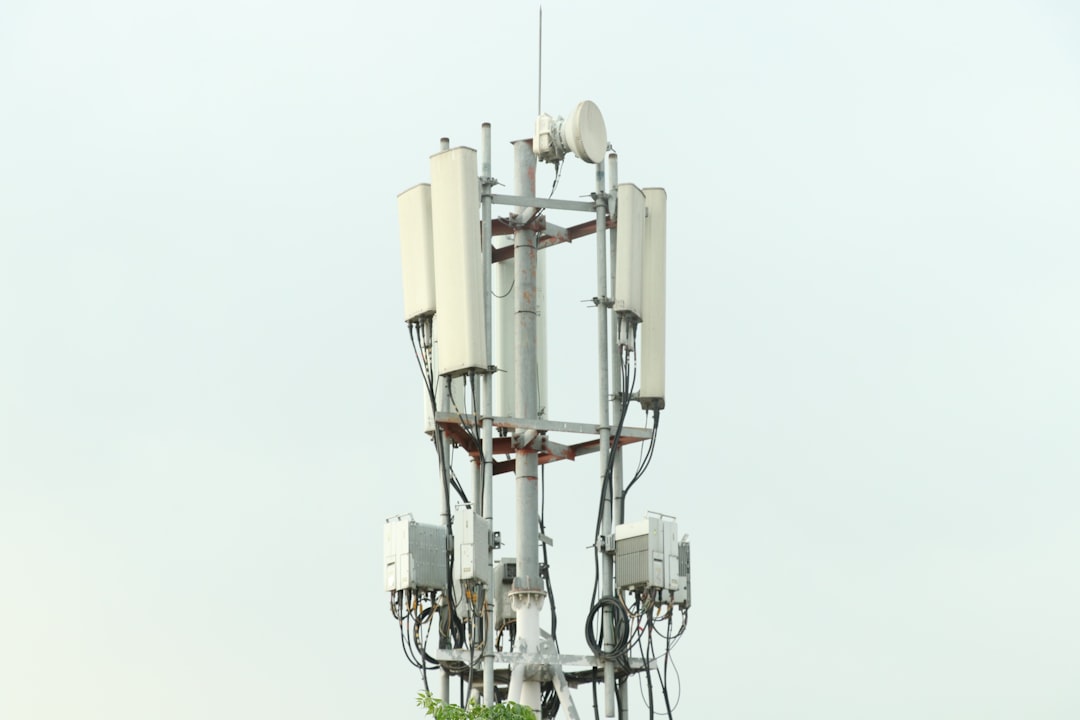
It was last Tuesday, around dinnertime, when my friend Sarah called, sounding frantic. Her dad, who’s 82 and has a pacemaker, had just received a letter from his medical device company. It warned about potential interference from the new 5G cell towers being installed in their neighborhood. "I don't even know what this means," she said, her voice trembling slightly. "Is his pacemaker going to stop working?"
That’s the question on a lot of minds these days. We're hearing so much about the benefits of 5G – faster internet, better streaming, all that stuff. But what about the possible downsides, especially when it comes to the health and safety of our older loved ones? It's easy to overlook how this technological leap forward might affect something as crucial as a medical device. Let's break down what's really going on and, more importantly, what you can do to protect your family.
What's the 5G Fuss All About?
5G, or fifth-generation wireless technology, is the latest upgrade to our mobile networks. It promises significantly faster speeds and lower latency (that annoying lag you sometimes get when video chatting). This opens up a world of possibilities, from self-driving cars to more immersive virtual reality experiences. But here’s the thing: 5G uses different radio frequencies than previous generations of wireless technology. Some of these frequencies are close to those used by certain medical devices. That's where the potential for problems creeps in.
How Could 5G Interfere with Medical Devices?
Medical devices, especially older models, can be susceptible to electromagnetic interference. This means that strong signals from 5G towers could, in theory, disrupt the device's normal operation. Think of it like this: imagine trying to listen to your favorite radio station while someone is blasting static nearby. The static makes it harder to hear the music clearly.
For a pacemaker, for example, interference could potentially cause it to deliver the wrong electrical pulses, or even stop working altogether. For a hearing aid, it might mean annoying buzzing or distorted sound. While these scenarios are not necessarily common, it’s worth understanding the risks, especially for those who depend on these devices for their well-being.
Which Medical Devices Are Most at Risk?
It's tough to give a definitive list, but generally, older devices and those that rely on specific frequencies are more likely to be affected. This includes:
- Pacemakers and implantable cardioverter-defibrillators (ICDs): These devices use electrical impulses to regulate heart rhythm. Interference could disrupt these signals.
- Hearing aids: Some hearing aids operate on frequencies that are close to certain 5G bands, leading to potential buzzing or distortion.
- Insulin pumps: While newer pumps are generally better shielded, older models might be more vulnerable to interference.
- Remote patient monitoring devices: These devices, which transmit data about a patient's vital signs to their doctor, could experience disrupted data transmission.
What Does the FDA Say About This?
The Food and Drug Administration (FDA) is aware of the potential risks and has been actively testing medical devices to assess their susceptibility to 5G interference. They've also been working with the Federal Communications Commission (FCC) and the medical device industry to develop strategies to minimize these risks.
According to the FDA, they “continue to monitor the potential for harmful interference and are committed to taking action, as appropriate, to help ensure the safety and effectiveness of medical devices in the evolving wireless environment.”
That's reassuring, but it doesn't mean we can sit back and do nothing. It’s still wise to take steps to protect our loved ones. I always say, a little bit of prevention goes a long way.
How Can Caregivers Recognize Early Signs of Interference?
Being alert to potential signs of interference is half the battle. Keep an eye out for these symptoms:
- Sudden changes in device performance: For example, a pacemaker patient might experience dizziness or shortness of breath, while a hearing aid user might notice static or distorted sound.
- Unexplained device alerts or alarms: If the device starts beeping or flashing unexpectedly, it could be a sign of interference.
- Loss of connectivity: If a remote monitoring device suddenly stops transmitting data, interference could be the culprit.
- Symptoms that appear when near cell towers or other 5G infrastructure: This is a big clue. If symptoms arise specifically when your loved one is near a new cell tower, that's a red flag.
Simple Steps to Minimize the Risk
Okay, so what can you actually do to minimize the potential for 5G interference? Here are some practical steps:
- Talk to the doctor: Start by discussing your concerns with your loved one's doctor. They can assess the risk based on the specific medical device and provide personalized advice.
- Contact the device manufacturer: Reach out to the manufacturer of the medical device. They can provide information about 5G compatibility and any recommended precautions.
- Check for updates: Make sure the medical device has the latest software and firmware updates. These updates often include improvements to interference mitigation.
- Shielded cables and accessories: Use shielded cables and accessories for any external components of the medical device. Shielding can help block out unwanted electromagnetic signals.
- Keep devices away from potential sources of interference: Try to keep the medical device away from cell phones, Wi-Fi routers, and other electronic devices that emit radio frequencies.
- Report any incidents: If you suspect that 5G interference is affecting a medical device, report it to the FDA. This helps them track and address potential problems.
These are pretty straightforward steps, but they can make a big difference in protecting your loved one's health.
The FCC Database: A Tool You Should Know About
The Federal Communications Commission (FCC) maintains a database of reported interference incidents. It's worth checking this database to see if there have been any reports of interference in your area. You can search by location and frequency to identify potential problems.
Finding your way around government websites can be a pain, I know. But honestly, it’s worth the effort. A little digging could give you valuable insights into what's happening in your community.
Linear Power Supplies: An Unexpected Factor
Interestingly, the type of power supply used in medical devices can also play a role in their susceptibility to interference. A recent report by IndexBox highlights the growing demand for linear power supplies in medical equipment due to their ultra-low noise characteristics. Linear power supplies, while generally reliable, might have different interference profiles compared to switching power supplies. It's just another thing to consider when evaluating the overall risk.
What about Devices Like ElliQ? Are They Affected by 5G?
It's a good question to ask whether AI companion devices could be affected, too. While a device like ElliQ uses Wi-Fi, which in turn relies on radio frequencies, its core functionality isn't directly dependent on the same frequencies as implanted medical devices. So the 5G rollout poses less of a direct risk. Devices like ElliQ are designed to help seniors with reminders, communication, and engagement. For seniors who find tablets and internet connectivity a challenge, a simpler solution like ElderVoice, which uses regular phone calls for check-ins and medication reminders, could be a good alternative.
| Medical Device | Potential 5G Interference Risk | Mitigation Strategies |
|---|---|---|
| Pacemakers/ICDs | Disruption of electrical signals | Consult doctor, check for updates, report incidents |
| Hearing Aids | Buzzing, distorted sound | Consult audiologist, shielded accessories |
| Insulin Pumps | Data transmission disruption | Keep away from cell phones, update firmware |
| Remote Monitoring Devices | Loss of connectivity | Shielded cables, report incidents |
Don't Panic, But Be Prepared
I don’t want to scare anyone. The reality is that the vast majority of medical devices will continue to function perfectly well with the 5G rollout. But it’s also true that a small percentage could experience problems. And when it comes to the health of our loved ones, it’s always better to be safe than sorry.
Think of it like preparing for a storm. You don't necessarily expect your house to be hit by lightning, but you still take precautions like trimming trees and having a backup generator. Similarly, understanding the potential risks of 5G interference and taking proactive steps to mitigate them is just a smart way to protect your family.
It’s about staying informed, asking questions, and being your loved one's advocate. Because at the end of the day, that's what really matters.
Allergy-proofing your senior's home can prevent unexpected health complications, but understanding the intricacies of Medicare Advantage and potential tech hazards is also a vital part of modern caregiving.Frequently asked questions
Will 5G definitely interfere with my parent's pacemaker?
Not necessarily. Most newer pacemakers are designed with shielding to minimize interference. However, older models might be more susceptible. It's best to consult with your parent's doctor and the device manufacturer to assess the specific risk.
What should I do if I suspect 5G interference?
If you notice any sudden changes in device performance, unexplained alerts, or loss of connectivity, contact your loved one's doctor or the device manufacturer immediately. Report the incident to the FDA as well.
Where can I find more information about 5G and medical devices?
The FDA and FCC websites are good sources of information. You can also contact the medical device manufacturer directly for specific details about their products. Look for press releases and announcements from medical device companies that address 5G compatibility.
Are there any long-term studies on the effects of 5G on medical devices?
Long-term studies are still ongoing. The FDA is actively monitoring the situation and conducting research to assess the potential for long-term effects. Keep an eye on their website for updates.
"The best preparation for tomorrow is doing your best today." — H. Jackson Brown, Jr.
How ElderVoice can help your family
ElderVoice makes friendly AI phone calls to your parent for wellness checks, medication reminders, and real conversation — on any phone, with no app or Wi-Fi to set up. Explore our daily check-in calls, or start a free trial today.