Smart Lighting for Sundowning: Circadian Bulbs for Sleep
ElderVoice
June 4, 2026
Key takeaways
- Circadian smart lighting can increase nightly sleep time for seniors with dementia by an average of 82 minutes.
- Automated light transitions mimic natural day-to-night cycles, reducing the shadows and glare that trigger late-day confusion.
- Smart home safety upgrades are rising rapidly, with older adult ownership of home safety devices growing to 34% in 2025.
Picture a scene that caregivers describe to dementia support lines every evening: it's a little after 5 PM, and an 81-year-old mother who was calm all day suddenly has her winter coat on. She's standing by the front door with a tote bag full of canned soup, crying and demanding to "go home" — from the house she's lived in for thirty years. Her daughter, exhausted, hides in the hallway to collect herself before the next round.
If you are caring for a parent with cognitive decline, you know this scene. You might live it every single afternoon. This late-day shift from calm to panic is called sundowning. Sundowning is a state of increased confusion, anxiety, and agitation that typically occurs in people living with dementia as daylight fades. It is not a disease itself, but a behavioral symptom of Alzheimers and other cognitive changes, affecting up to 20% of those living with the condition.
When the sun goes down, our internal clocks get confused. For someone with dementia, that confusion turns into absolute terror. The shadows in the corner look like intruders. The dark window glass turns into a mirror that shows a frightening stranger instead of their own reflection. The glare of a harsh, fluorescent overhead bulb makes the living room feel sterile and unfamiliar.
We often rush to find clinical solutions when these behaviors peak. But sometimes, the most comforting thing we can do is change the physical world around them. Simple, automated light bulbs can quietly rebuild a sense of time and safety in your parent's home, without them ever having to learn how to use a single piece of new technology.
Why does evening light trigger agitation in seniors with dementia?
Our brains run on light. For thousands of years, humans woke up with the blue-white light of dawn, worked under the bright sky of midday, and wound down as the warm, orange glow of sunset faded into blackness. This is our circadian rhythm, the internal 24-hour clock that dictates when we produce cortisol to stay awake and melatonin to sleep.
As we age, our eyes naturally change. The lenses in our eyes yellow and thicken, letting in much less light. In fact, a 60-year-old eye receives only about one-third of the light that a 20-year-old eye does. For someone who is 80, that number drops even lower. When you add dementia to the mix, the brain's master clock—the suprachiasmatic nucleus—starts to deteriorate. The brain loses its ability to read the signals of the sun.
A study published by the American Academy of Neurology in 2025 found that older adults whose daily activity levels peaked later in the afternoon or evening—which points to a severely shifted circadian rhythm—had a 45% higher risk of developing dementia. The biological clock isn't just a side effect; it's deeply tied to how the brain functions.
"Disruptions in circadian rhythms may alter body processes like inflammation, and may interfere with sleep, possibly increasing amyloid plaques linked to dementia, or reducing amyloid clearance from the brain." — Wendy Wang, MPH, PhD, Peter O'Donnell Jr. School of Public Health at UT Southwestern Medical Center, published in Neurology
When evening comes, a senior's home often becomes a biological trap. If the house is too dark, their eyes strain, causing optical illusions. If you turn on standard, bright white LED bulbs to compensate, their brain gets a sudden blast of blue light. This blue light mimics the midday sun, stopping the production of melatonin. The result? A senior who is physically exhausted but biologically wide awake, confused, and highly anxious.
Sleep disruption occurs in 70% of patients with dementia, as reported in CHEST Physician in 2026. This sleeplessness doesn't just make the nights long. It dramatically increases the risk of falls, worsens memory loss the next day, and pushes family caregivers to their breaking points.
How can circadian smart bulbs help regulate senior sleep?
Circadian smart lighting—often called biodynamic or human-centric lighting—is a system of light bulbs that automatically change their color temperature and brightness throughout the day. In the morning, they emit a bright, cool light with blue undertones to help wake the brain up. As the afternoon progresses, they slowly soften. By dinnertime, they shift to a warm, dim, amber glow, completely free of sleep-disrupting blue wavelengths.
This isn't just about making a room look cozy. It is a powerful, non-pharmacological therapy. The American Academy of Sleep Medicine recommends morning bright light therapy as a primary tool to manage irregular sleep-wake rhythms in seniors with cognitive decline. They strongly advise against using sleeping pills or benzodiazepines, which can cause severe confusion and dangerous nighttime falls.
By mimicking the natural sky, these bulbs gently whisper to your parent’s brain what time of day it is. In 2025, researchers at Arizona State University published a study showing that biodynamic lighting mimicking natural daylight rhythms significantly improved sleep time by an average of 82 minutes per night. It also noticeably alleviated symptoms of depression in older adults living with dementia.
Think about what an extra hour and twenty minutes of sleep looks like. For your parent, it means a clearer head, fewer mood swings, and better physical balance. For you, it means sleeping through the night without listening for the creak of floorboards or the sound of a doorknob turning at 3:00 AM.
"Optimized lighting can be a very simple and cost-effective solution to make people happy and healthy." — Nina Sharp, Assistant Professor and Lead of the DESmart Lab, Arizona State University
These smart bulbs do the heavy lifting in the background. Your parent doesn't need to touch a remote, look at a smartphone, or talk to a smart speaker. The bulbs simply change on their own, creating a predictable, soothing transition from day to night. If your family is already looking into home safety upgrades, perhaps starting with a Medicare-covered at-home cognitive assessment, evaluating the physical home environment is a natural next step.
Setting up a passive smart lighting system: A step-by-step guide
The biggest hurdle to smart home tech for seniors is the fear of complexity. We worry our parents will get frustrated by switches that don't work or apps they don't understand. The key here is to design a system that is entirely passive. Once you set it up, it should run on autopilot.
Here is how to set up a stress-free circadian lighting system in your parent's home:
- Buy the right bulbs: Look for "smart color-changing" LED bulbs. Brands like Philips Hue, Wyze, or Sengled are reliable. You want bulbs that can change color temperature, specifically transitioning from 6500K (cool, blue-white daylight) to 2200K (warm, amber candle-light).
- Choose the high-impact rooms: You do not need to replace every bulb in the house. Focus on the three rooms where your parent spends the most time: the bedroom, the living room, and the bathroom.
- Set up the automated schedule: Use the smart bulb's app on your phone to set a daily schedule. Set the bedroom and living room lights to turn on at 8:00 AM at 100% brightness with cool white light. Schedule a slow, three-hour transition starting at 4:00 PM, gradually dropping the brightness to 30% and shifting the color to a warm, soft orange by 7:00 PM.
- Disable the wall switches: This is a vital step. If your parent flips the physical wall switch off, the smart bulb loses power and cannot run its automated schedule. To prevent this, place a simple, plastic switch guard over the existing wall switches. These cost a few dollars on Amazon and keep the switch locked in the "on" position.
- Add physical smart buttons if needed: If your parent absolutely needs to turn lights on or off manually, mount a wireless smart button on the wall right next to the covered switch. These buttons can be programmed so that a single press turns the lights on to the correct, age-appropriate light level for that specific time of day.
By taking the controls away from the wall and putting them on an automated timer, you remove the risk of your parent accidentally sitting in the dark because they couldn't figure out a complex switch. It is a set-and-forget solution that protects their routine.
Comparing lighting options for senior care homes
Not all lighting is created equal, especially when you are trying to manage cognitive symptoms. Let's look at how standard lighting compares to manual dimmers and fully automated circadian smart bulbs.
| Feature | Standard LED Bulbs | Manual Dimmer Switches | Circadian Smart Bulbs |
|---|---|---|---|
| Color Temperature Control | None (fixed cool or warm) | None (only alters brightness) | Full range (6500K to 2000K) |
| Ease of Use for Seniors | High (simple on/off) | Medium (requires physical adjustment) | Excellent (100% automated, passive) |
| Impact on Sleep (Melatonin) | Poor (often too blue at night) | Moderate (dims light, but color stays cool) | Excellent (removes blue light in evening) |
| Reduces Shadow-Triggered Panic | Poor (harsh shadows when turned off) | Moderate (manual adjustment is laggy) | Excellent (gradual, imperceptible transitions) |
| Initial Setup Cost | Very Low ($2–$5 per bulb) | Medium ($20–$50 + electrician fee) | Moderate ($15–$45 per bulb) |
While manual dimmers are an improvement over standard bulbs, they still require someone to actively change them. If you live three states away from your elderly father, you cannot be there at 4:30 PM to dim his living room lamps. An automated circadian bulb does the job for you, ensuring he is never left in a shadow-filled room that sparks a panic attack.
This philosophy of simple, hands-off technology is catching on fast. According to AARP Research published in 2025, smart home technology ownership among older adults rose from 10% in 2019 to 27% in 2025. Even more telling, ownership of home safety devices grew from 19% in 2024 to 34% in 2025. Seniors and their families are realizing that technology doesn't have to be intimidating to be incredibly useful.
"From smart wearable health monitors to hearing aids to digital security, there's a huge interest among older Americans who want to integrate these technologies into their plans to age in their homes and communities." — Patty David, Vice President of Consumer Insights, AARP
We see this same need for simplicity in other areas of eldercare. For instance, many families use automated phone-based check-in services, like ElderVoice, which call a senior daily for friendly conversation and medication reminders without requiring a smartphone, tablet, or internet connection. Just like circadian lighting, the goal is to provide comfort and safety through tools that work in the background of a senior's normal life.
Safety first: Preventing nighttime falls with motion-activated lighting
Sundowning does not end when your parent finally goes to sleep. Many seniors living with dementia experience fragmented sleep, waking up multiple times a night to use the bathroom. If they wake up in a pitch-black room, they are highly likely to become disoriented, lose their balance, and fall.
A fall can change everything in an instant. If you are already looking into home safety, you might want to review our checklist on preventing senior fall risks during home cleanups. Traditional nightlights are often too dim to help a senior with yellowed lenses navigate safely. But turning on a bright overhead bathroom light will instantly shock their brain awake, making it impossible for them to fall back asleep.
The solution is motion-activated, low-level smart lighting pathing. You can place smart light strips along the baseboards of the hallway or under the edge of the bed frame. Set these specific lights to turn on only between 11:00 PM and 6:00 AM, and program them to emit a very dim, warm amber glow (under 10% brightness) when they detect movement.
This warm, indirect light is bright enough to show the pathway to the toilet, keeping them safe from tripping over a misplaced rug or slipper, but soft enough that it won't shut down their melatonin production. Once they return to bed and the motion stops, the lights gently fade back to black. It is a simple way to protect their bones and your peace of mind while they rest.
How do I talk to my parent about changing their light bulbs?
If your parent is still relatively independent and fiercely protective of their home, they might resist the idea of you "smartening up" their space. They might see it as an admission of decline or an unwanted intrusion.
When introducing these changes, avoid using medicalized terms. Don't say, "I'm installing these bulbs to fix your sundowning and dementia symptoms." That language can feel insulting and trigger defensive behavior.
Instead, focus on comfort, energy savings, and ease. You might say:
"Hey Dad, I bought these new energy-efficient LED bulbs that are supposed to be much easier on the eyes. They automatically soften in the evening so you don't have to deal with that harsh glare while you're trying to watch the evening news. I'd love to try them out in your living room lamp to see if it makes reading your paper more comfortable."
Most seniors will happily agree to a change that promises to reduce eye strain and lower their electricity bill. Once the bulbs are in place, they will likely forget they are even there—but you will notice the difference in their evening mood almost immediately.
If you're looking for other ways to keep their mind engaged during the daylight hours, you can look into simple tech tools like digital photo frames to keep remote families connected, which also operate passively without requiring any daily tech management from your parent.
A quiet evening at home
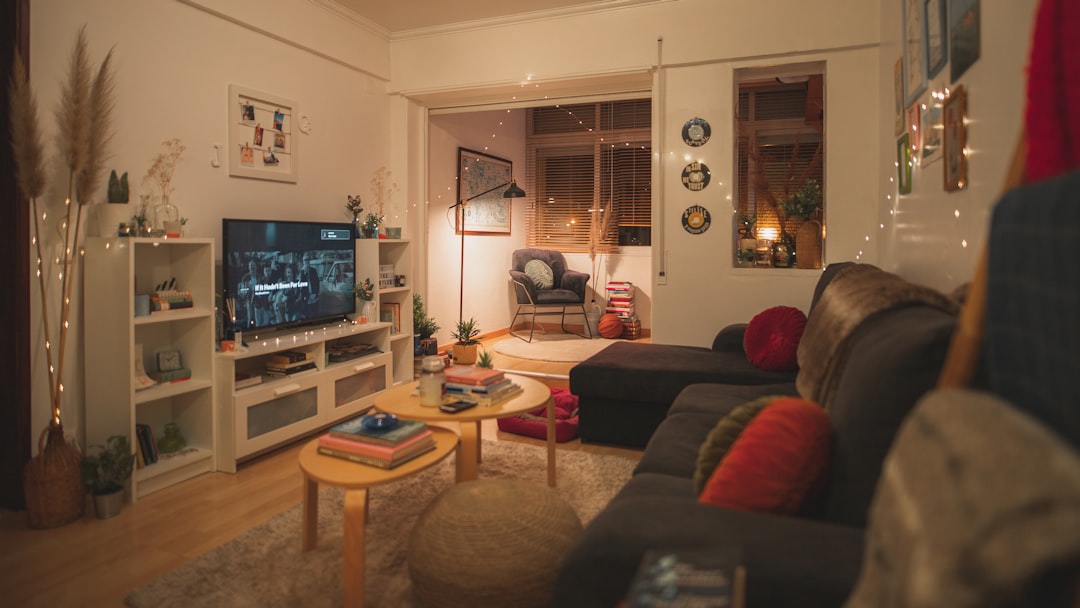
The change families report after setting up these light cycles tends to look the same: by 6 PM the room is bathed in a soft, golden glow that resembles a permanent sunset, and the person who used to pace by the door is sitting in a favorite armchair with a cup of decaf tea. No winter coat, no packed tote bag, no panic — the lights started turning gold an hour earlier, and she never even noticed.
We cannot cure the diseases that cause cognitive decline. We cannot stop the march of time. But we can control the environment we build for the people we love. By swapping out a few harsh, old bulbs for soft, natural light cycles, we can take some of the fear out of the twilight hours. We can give our parents a gentle, silent cue that it is safe to rest, and in doing so, we can give ourselves the grace of a quiet evening, too.
Frequently asked questions
What is sundowning, and what causes it?
Sundowning is a state of increased confusion, anxiety, and restlessness that occurs in seniors with dementia in the late afternoon or early evening. It is triggered by a combination of physical fatigue, disrupted internal biological clocks, and changing shadows that cause optical illusions.
Do I need a smartphone or Wi-Fi to use circadian lighting?
Yes, smart bulbs require a Wi-Fi connection and a smartphone app for the initial setup and scheduling. However, once the schedule is set up, the bulbs run automatically, meaning your elderly parent does not need a smartphone, internet access, or any technical knowledge to use them.
What color light is best for seniors with dementia at night?
Warm, amber, or red-toned light is best for evening and night hours. This spectrum of light does not contain the blue wavelengths that mimic daylight, which allows the senior's brain to naturally produce melatonin and prepare for deep sleep.
Can smart lighting prevent nighttime falls in seniors?
Yes, by pairing smart bulbs with motion sensors in the hallway and bathroom, you can create a low-level, glare-free light path that activates automatically when a senior gets out of bed, lighting their way safely without waking them up fully.
How ElderVoice can help your family
ElderVoice makes friendly AI phone calls to your parent for wellness checks, medication reminders, and real conversation — on any phone, with no app or Wi-Fi to set up. Explore our dementia & memory-care companion calls, or start a free trial today.