Easing Holiday Dementia Flare-Ups: A Caregiver's Comfort Plan
ElderVoice
December 20, 2025
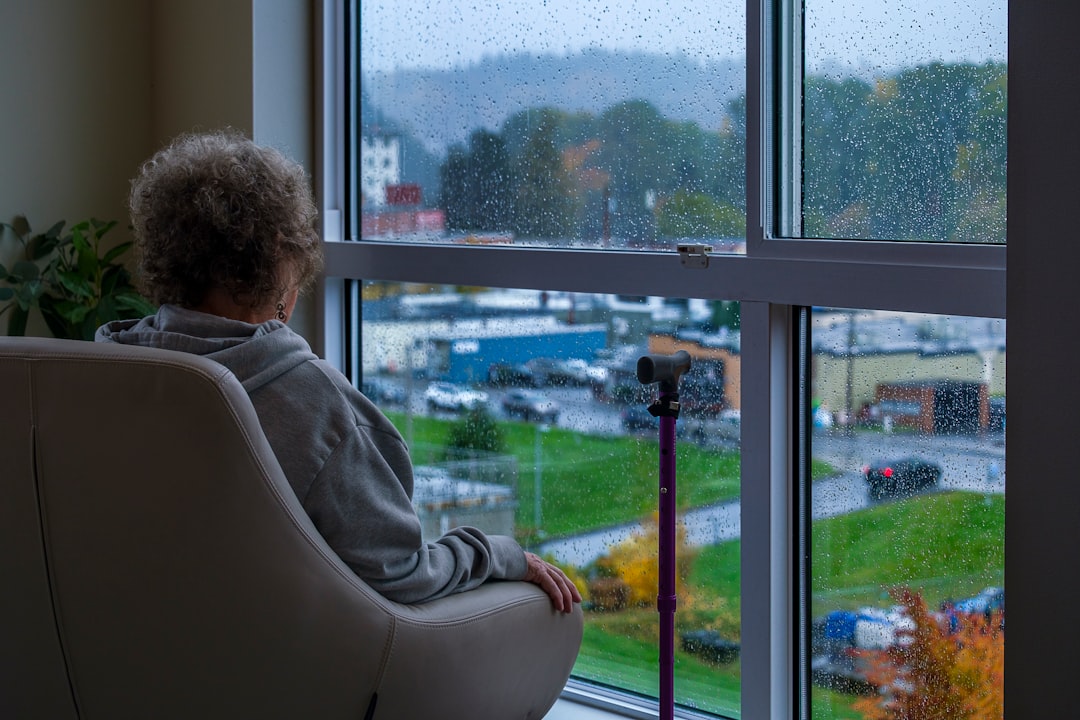
Last Christmas, my Uncle George, usually so jolly, became agitated during dinner. He kept asking where his parents were. They passed away over thirty years ago. He didn't recognize his own grandkids. It broke my heart, and honestly, I felt completely helpless. That's when I realized the holidays, with all their noise and change, can be incredibly tough on people living with dementia.
If you're reading this, you probably know exactly what I'm talking about. The holidays, while filled with good intentions, can become a minefield of sensory overload and disrupted routines for those we care for. According to the Alzheimer's Association, changes in routine are a common trigger for increased confusion and anxiety in people with dementia. It's not just the big day, either. It's the weeks leading up to it – the decorations going up, the carols on repeat, the constant stream of visitors. It can all be… a lot.
Creating a Calm Oasis
So, what can we do? Well, it's not about eliminating the holidays altogether (though sometimes that thought crosses my mind, I admit). It's about creating a space where our loved ones feel safe and secure. Think of it as building a calm oasis amidst the holiday storm.
Simplify the Environment
Too much visual stimulation can be overwhelming. Consider these tweaks:
- Less is more with decorations. A few familiar, comforting items are better than a house decked out like the North Pole. Maybe just a small, pre-lit tree instead of the gigantic one with a million blinking lights.
- Control the noise. Turn off the TV during conversations. Limit the number of people talking at once. Background music? Keep it soft and familiar. Think old favorites, not booming pop hits.
- Lighting matters. Avoid harsh fluorescent lights. Soft, warm lighting is much more soothing.
I remember visiting a friend whose mother had dementia. She'd covered the mirrors in the house because her mother got distressed seeing her own reflection. That's something I wouldn't have thought of on my own.
Maintain Routine as Much as Possible
Routines provide a sense of stability and predictability. Even small disruptions can throw someone off. The Alzheimer's Society reports that maintaining a consistent daily schedule can significantly reduce anxiety and confusion in people with dementia. Try to:
- Stick to regular mealtimes and bedtimes.
- Continue with familiar activities. Even if it's just for a short time each day.
- Prepare them for changes in advance. If visitors are coming, tell them ahead of time, and remind them who the visitors are when they arrive.
My mom always gets up at 7:00 AM. Always. So, even on Christmas morning, we try to keep that consistent. Opening presents can wait.
Communication Strategies That Soothe
Communication is key, but it needs to be adapted. Forget complex sentences and rapid-fire questions. Keep it simple, direct, and filled with patience.
Speak Clearly and Slowly
Use a calm, reassuring tone. Make eye contact. Avoid shouting or raising your voice. The Alzheimer's Association suggests using short, simple sentences and allowing plenty of time for a response. It sounds obvious, but when you're stressed, it's easy to forget.
Ask One Question at a Time
Avoid overwhelming them with multiple choices. Instead of saying, "Do you want tea, coffee, or juice?" ask, "Would you like something to drink?" Then, if they say yes, offer one option at a time.
Validate Their Feelings
If they're expressing confusion or frustration, don't dismiss their feelings. Acknowledge them. Say something like, "I understand you're feeling confused. It's okay." You don't have to agree with their reality, but you can validate their emotions.
"Validating feelings involves acknowledging the person's emotional experience without necessarily agreeing with their perception of reality. It is a therapeutic communication technique that can help reduce distress and promote a sense of connection." - National Institute on Aging, 2023
Honestly, sometimes just holding Mom's hand and saying, "I'm here" is enough to calm her.
Managing Expectations (Yours and Others')
This is a big one. Holidays are often steeped in tradition and expectations. But when you're caring for someone with dementia, those expectations need to be adjusted. And that includes managing the expectations of other family members.
Be Realistic About What They Can Handle
Don't expect them to participate in every activity. They might only be able to handle a short visit or a brief period at the dinner table. That's okay. Don't push them beyond their limits. It will only lead to frustration for everyone.
Educate Family and Friends
Explain to others what to expect and how to interact with your loved one. Give them specific tips, like speaking slowly and avoiding complex questions. It's helpful to have these conversations *before* the holiday gathering, not during it.
We had a family meeting before Thanksgiving last year. I explained to everyone that Mom might not remember their names, and that it wasn't personal. I think it helped a lot.
Don't Be Afraid to Say No
It's okay to decline invitations or to shorten visits. You don't have to do everything. Prioritize your loved one's well-being (and your own!). Remember, self-care is crucial. According to a 2022 study by the Family Caregiver Alliance, caregivers who prioritize their own well-being experience less stress and burnout.
Seeking Support
You are not alone in this. There are resources available to help you navigate the challenges of caregiving, especially during the holidays. Consider:
- Support groups. Connecting with other caregivers can provide invaluable emotional support and practical advice.
- Respite care. Taking a break is essential for your own well-being. Respite care provides temporary care for your loved one, allowing you to recharge. Maybe ElderVoice can help you locate resources.
- Professional counseling. Talking to a therapist can help you process the emotions associated with caregiving, such as grief, guilt, and frustration.
And remember, it's okay to ask for help. Really, it is. People want to support you. Let them.
The holidays are supposed to be a time of joy and connection. While dementia can make things more challenging, it doesn't have to rob you of those moments. By creating a calm environment, adapting your communication, and managing expectations, you can help your loved one feel safe, comfortable, and loved. It won't be perfect. There will be moments of frustration and sadness. But there will also be moments of joy, connection, and love. And those are the moments that matter most.
What if, this year, we focus less on the perfect holiday and more on the presence of love and connection, no matter how imperfectly it's expressed?
How ElderVoice can help your family
ElderVoice makes friendly AI phone calls to your parent for wellness checks, medication reminders, and real conversation — on any phone, with no app or Wi-Fi to set up. Explore our dementia & memory-care companion calls, or start a free trial today.