Hidden Histories, Shared Memories: Genealogy for Seniors with Memory Loss
ElderVoice
February 11, 2026
Key takeaways
- Genealogy can be a powerful tool for stimulating memory and facilitating communication in seniors with memory loss.
- Exploring family history can provide emotional comfort and a sense of connection, especially for those with cognitive decline.
- Family stories can act as bridges, transcending cognitive limitations and fostering meaningful interactions.
It was a Tuesday afternoon, and the sunlight was streaming into the community room at Meadowbrook Assisted Living. Sarah, a volunteer with a local genealogy group, was setting up her laptop and a projector. Today’s session was a little different. Instead of teaching research techniques, she was going to use family history to connect with residents in the memory care unit. She wasn't sure how it would go.
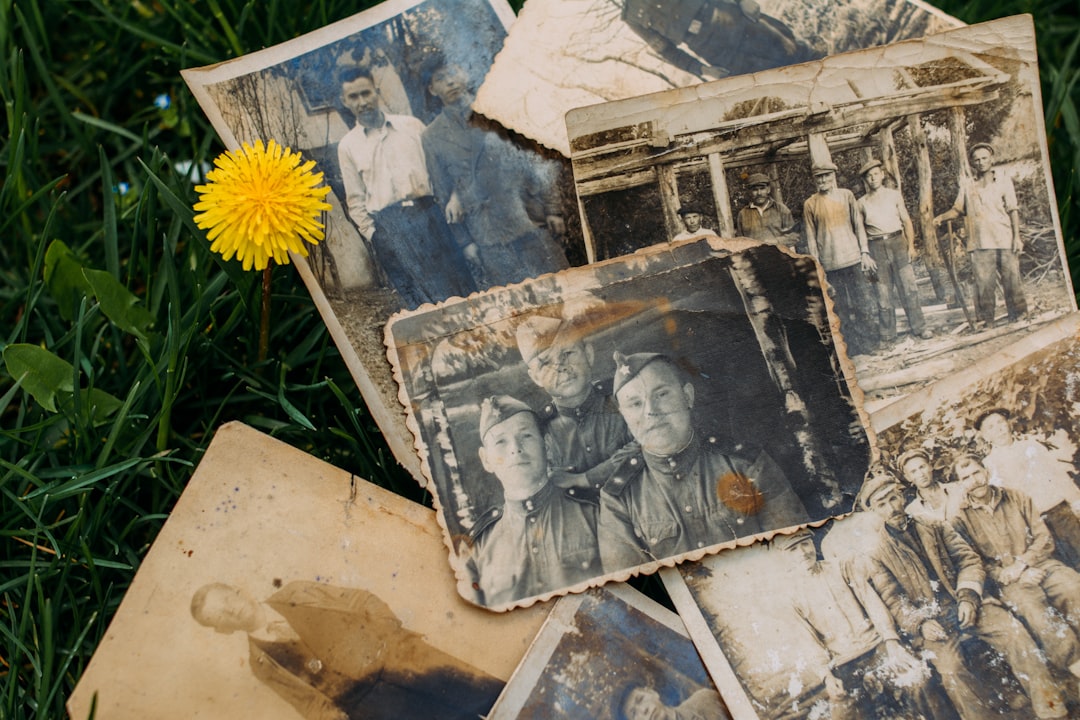
She started by showing a faded photograph of a woman in a flapper dress. “Does anyone recognize this person?” she asked, gently.
A woman named Margaret, usually quiet and withdrawn, suddenly perked up. “That’s Aunt Clara!” she exclaimed. “She always wore the most outrageous hats. And she could Charleston like nobody’s business.”
Sarah smiled. That was the spark she was hoping for. This wasn’t just about dates and names; it was about unlocking memories and creating moments of connection.
For seniors experiencing memory loss, the past isn't truly gone. It's just harder to reach. Genealogy, in this context, isn’t about building a perfect family tree. Instead, it's a gentle, loving way to tap into those hidden histories, to spark joy, and to create shared moments with loved ones. It’s about using stories to build bridges.
How can genealogy help seniors with memory loss?
Genealogy offers a unique set of benefits beyond just recalling names and dates. It’s an activity that can:
- Stimulate Memory: Even fragmented memories can be a source of comfort and connection. Seeing a photograph or hearing a familiar name can trigger a cascade of associations.
- Facilitate Communication: It can be tough to find common ground with someone struggling with cognitive decline. Family history provides a shared language and a starting point for conversation.
- Reduce Agitation: Familiar stories and images can create a sense of calm and security, particularly beneficial for those experiencing anxiety or sundowning. Speaking of sundowning, creating a calm environment is key.
- Foster a Sense of Identity: Memory loss can erode a person’s sense of self. Exploring family history can help them reconnect with their roots and reinforce their identity.
- Provide Purpose: Engaging in a meaningful activity can provide a sense of purpose and accomplishment, even if the activity is simple.
Making Genealogy Accessible: Practical Tips
The key is to adapt the activity to the individual’s abilities and preferences. It's not about forcing participation, but about creating a welcoming and supportive environment. Here are some tips:
- Start Simple: Begin with a single photograph or a well-known family story. Don’t overwhelm them with too much information.
- Use Visual Aids: Photographs, documents, and heirlooms are powerful memory triggers. The more sensory input, the better. Avoid complex charts and graphs.
- Focus on Stories, Not Facts: It's not about accuracy; it’s about the emotional connection. Encourage them to share their memories, even if they are fragmented or inaccurate.
- Keep it Short and Sweet: Attention spans may be limited. Shorter, more frequent sessions are often more effective than long, drawn-out ones.
- Be Patient and Understanding: There may be days when they are not interested or able to participate. Don’t take it personally. Try again another time.
- Record the Sessions: With their permission, record the conversations. These recordings can become treasured keepsakes for the family and can be used to prompt future discussions.
How to adapt genealogy activities for different levels of memory loss?
The approach to genealogy should be tailored to the individual's cognitive abilities. What works for someone in the early stages of memory loss may not be appropriate for someone with advanced dementia.
Here’s a breakdown:
Early Stages:- Collaborative Research: Involve them in the research process. Look through old photo albums together. Ask them to identify people and places.
- Storytelling: Encourage them to share their memories of family members and events. Write down their stories.
- Creating a Simple Family Tree: Help them create a basic family tree with names and dates.
- Sensory Stimulation: Focus on visual and tactile experiences. Let them hold old photographs, feel the texture of old fabrics, or listen to music from their youth.
- Reminiscence Therapy: Use photographs and objects to trigger memories and spark conversations. Ask open-ended questions, such as “What do you remember about this person?” or “What was it like growing up in that time?”
- Simplify the Information: Present information in small, manageable chunks. Use simple language and avoid complex details.
- Focus on Comfort and Connection: The goal is no longer to gather information but to provide comfort and a sense of connection. Simply being present and sharing a quiet moment can be meaningful.
- Use Familiar Images and Sounds: Show them photographs of loved ones or play music from their past. Observe their reactions and respond accordingly.
- Offer Gentle Touch: Holding their hand or giving them a gentle hug can provide reassurance and comfort.
A Reddit Story: The Power of a Name
I stumbled across a story on Reddit the other day that really hit home. A user shared how they'd been struggling to connect with their grandma, who had advanced Alzheimer's. Nothing seemed to get through. Then, one day, the user brought in an old photo of their great-grandfather, a man the grandma had adored. The moment she saw the photo, her eyes lit up. She couldn't remember his name, but she remembered the love she felt for him. They spent the next hour just looking at the photo together, the grandma occasionally murmuring a few words. It wasn't a perfect conversation, but it was a connection.
That's what genealogy for seniors with memory loss is all about: finding those little moments of connection, even when words fail.
Resources to Get Started
There are many resources available to help you explore your family history, both online and in person. Here are a few suggestions:
- Online Genealogy Websites: Websites like Ancestry.com and MyHeritage offer vast databases of records, including census data, birth certificates, and marriage licenses. While these can be great, remember our goal is connection, not perfection. Don't get bogged down in subscriptions if you can't make use of them.
- Local Libraries and Archives: Libraries and archives often have local history collections, including photographs, maps, and newspapers.
- Genealogy Societies: Local genealogy societies can provide guidance and support.
- Family History Centers: The Church of Jesus Christ of Latter-day Saints operates Family History Centers around the world, offering free access to genealogical resources.
What are the ethical considerations when exploring family history with someone who has memory loss?
Exploring family history with someone who has memory loss requires sensitivity and respect. It's important to be mindful of their emotional state and to avoid causing distress.
Here are some ethical considerations:
- Respect Their Wishes: If they express discomfort or disinterest, don’t push it. It's their story, and they have the right to decide how it's told.
- Avoid Causing Distress: Be mindful of sensitive topics, such as family conflicts or traumatic events. If you uncover information that might be upsetting, be prepared to offer support and reassurance.
- Protect Their Privacy: Don’t share their personal information without their consent.
- Be Honest and Transparent: Be upfront about your intentions and explain what you are doing. Answer their questions honestly, even if it's difficult.
- Focus on the Positive: Emphasize the positive aspects of their family history and celebrate their accomplishments.
| Stage of Memory Loss | Activity Focus | Example |
|---|---|---|
| Early | Collaborative Research | Looking through old photo albums together |
| Mid | Sensory Stimulation | Letting them hold old photographs |
| Late | Comfort and Connection | Playing music from their past |
Building Stronger Connections
Ultimately, using genealogy with seniors who have memory loss is about building stronger connections. It's about creating moments of joy, sparking memories, and celebrating their life stories. It’s about showing them that they are loved, valued, and remembered.
It’s not always easy. There will be days when it feels like you're not getting through. But even small moments of connection can make a big difference. Keep showing up. Keep sharing stories. Keep creating memories.
Because in the end, that's what truly matters. And if you are struggling to balance caregiving with your own needs, remember that you're not alone. Many families find themselves in similar situations. Exploring available resources, like understanding the latest Medicare rule changes or seeking support from local organizations, can provide much-needed assistance.
"We are not human beings having a spiritual experience. We are spiritual beings having a human experience." — Pierre Teilhard de Chardin
Frequently asked questions
What if my loved one doesn't remember anything about their family history?
Even if they don't recall specific details, the act of looking at old photos or hearing familiar stories can still provide comfort and a sense of connection. Focus on creating a positive and supportive environment.
How can I find out about my family history if I don't have any information to start with?
Start by talking to other family members. They may have old photos, documents, or stories that can help you piece together your family history. You can also explore online genealogy resources or visit your local library or archives.
What if I uncover sensitive or upsetting information about my family history?
Be prepared to offer support and reassurance. If the information is particularly distressing, consider seeking guidance from a therapist or counselor.
How can I adapt genealogy activities for someone with advanced dementia?
Focus on sensory stimulation and comfort. Show them photographs of loved ones, play music from their past, or offer gentle touch. The goal is to provide a sense of connection and reassurance.
Is genealogy only for people with good memories?
Not at all. Genealogy can be a valuable activity for people with memory loss, as it can stimulate memories, facilitate communication, and foster emotional connections.
How ElderVoice can help your family
ElderVoice makes friendly AI phone calls to your parent for wellness checks, medication reminders, and real conversation — on any phone, with no app or Wi-Fi to set up. Explore our dementia & memory-care companion calls, or start a free trial today.
Sources
- Ancestry.com (2024)
- MyHeritage (2024)