The Health Impact of Social Isolation in Seniors
ElderVoice
December 17, 2025

The Silent Epidemic: How Social Isolation Impacts Senior Health
As our parents and loved ones gracefully age, we often focus on their physical health, ensuring they have proper medical care, nutritious meals, and a safe environment. However, there's a silent epidemic that often goes unnoticed, yet profoundly impacts their well-being: social isolation. It’s more than just feeling lonely; it's a serious health risk, and as adult children, we have a crucial role to play in mitigating its effects.
Recent studies liken social isolation to smoking 15 cigarettes a day. Discover how daily interactions can reverse cognitive decline and improve physical health in elderly adults.
Understanding Social Isolation and Loneliness
It’s important to differentiate between social isolation and loneliness. Social isolation is the objective lack of social contact, while loneliness is the subjective feeling of being alone or disconnected, regardless of the amount of social interaction. A senior can be surrounded by people but still feel profoundly lonely. Conversely, someone with limited social contact may not experience loneliness. Both, however, can have detrimental effects on health.
As adult children, recognizing the signs of social isolation and loneliness in our aging parents is the first step. These signs might include:
- Withdrawing from social activities they once enjoyed
- Changes in eating or sleeping habits
- Increased irritability or sadness
- Neglecting personal hygiene
- Expressing feelings of hopelessness or worthlessness
The Alarming Health Consequences of Isolation
The impact of social isolation on senior health is staggering. It’s not just about feeling down; it’s about tangible, measurable declines in both physical and mental well-being. The consequences are far-reaching and can significantly impact their quality of life and longevity.
Consider these sobering statistics:
- Social isolation and loneliness are associated with a roughly 50% increased risk of dementia, according to research from the NIH.
- A study by AARP found that socially isolated seniors are more likely to visit the emergency room.
- The CDC recognizes social isolation as a significant public health concern, noting its association with higher rates of depression, anxiety, and suicide.
Beyond mental health, social isolation takes a toll on physical health as well. Studies have linked it to:
- Increased risk of heart disease and stroke
- Weakened immune system
- Higher blood pressure
- Increased risk of falls
- Reduced mobility
Essentially, a lack of social connection weakens the body's natural defenses and accelerates the aging process. Imagine the difference a simple phone call, a shared meal, or a weekly visit could make in combating these risks.
Reversing the Trend: Practical Steps to Combat Isolation
The good news is that social isolation is not an irreversible condition. As caregivers and adult children, we can take proactive steps to reconnect our loved ones and improve their overall well-being. It's about finding meaningful ways to engage them in activities and relationships that bring joy and purpose.
Here are some practical strategies to consider:
- Encourage participation in social activities: Explore senior centers, community groups, religious organizations, and hobby clubs. These provide opportunities for interaction and shared interests.
- Facilitate regular visits: Schedule regular visits, even if they're short. The simple act of seeing a familiar face can make a world of difference.
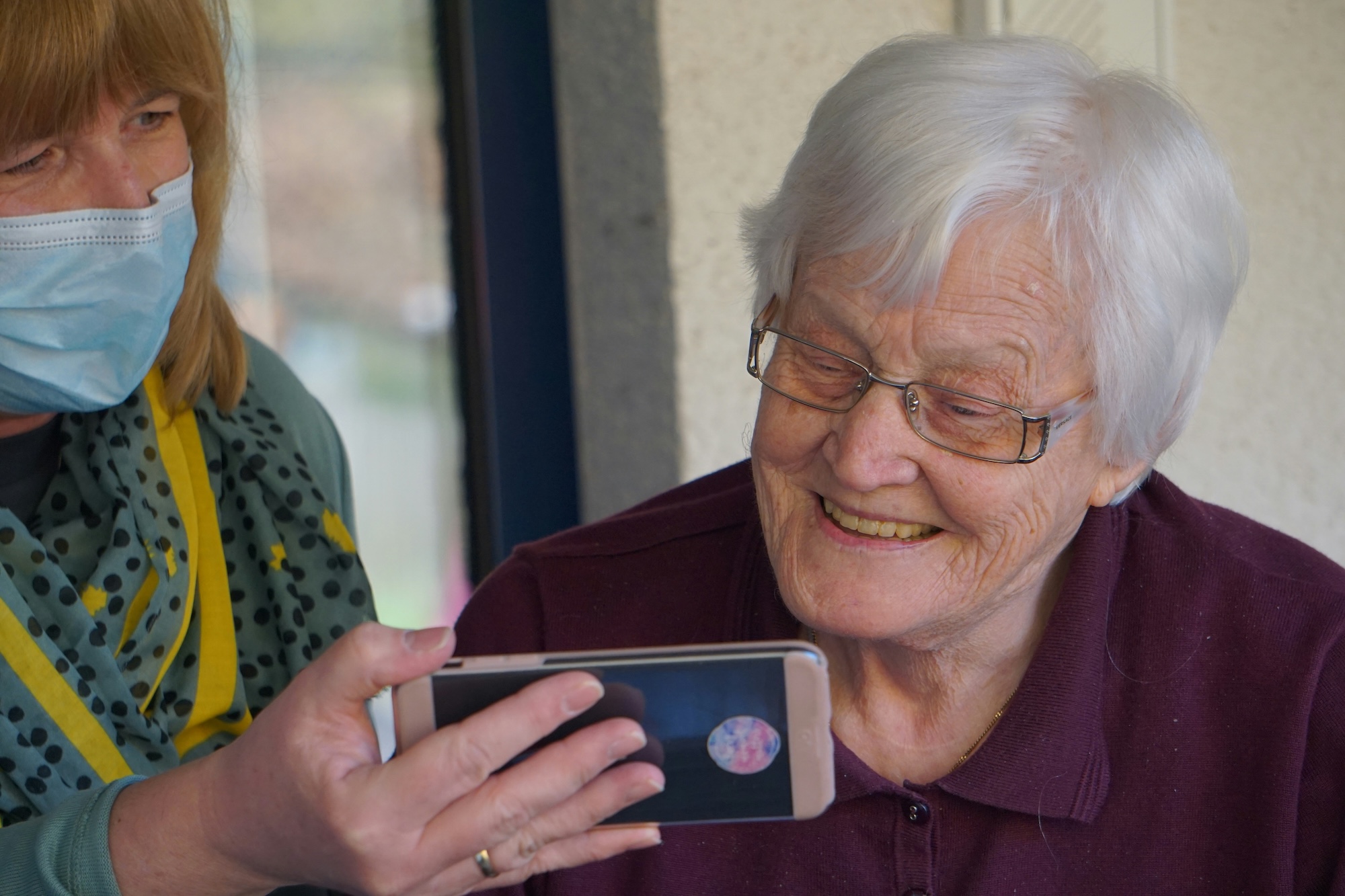
- Utilize technology: Teach your parents how to use video calls, social media, and email to stay connected with family and friends who live far away.
- Consider pet ownership: A pet can provide companionship, routine, and a sense of purpose. However, ensure your parent is capable of caring for the animal.
- Explore volunteer opportunities: Volunteering provides a sense of purpose and allows seniors to contribute to their community.
- Respite Care and Adult Day Programs: If you are the primary caregiver, remember to take care of yourself! Respite care and adult day programs offer your loved one social interaction and activities while you recharge.
The Power of Small Gestures
Sometimes, the most impactful actions are the simplest. A phone call to check in, a handwritten letter, or an invitation to join a family outing can brighten a senior's day and remind them they are valued and loved. It's about making a conscious effort to include them in our lives, even when time is limited.
Remember, active listening is key. When you do connect, truly listen to their stories, their concerns, and their memories. Validation and empathy can go a long way in alleviating feelings of loneliness and isolation.
"Connection is the energy that is created between people when they feel seen, heard, and valued." - Brené Brown
Creating a Supportive Environment
Beyond individual actions, we can advocate for policies and programs that support senior well-being in our communities. This might involve supporting initiatives that promote senior housing options, transportation services, and accessible social activities.
Furthermore, we can challenge the stereotypes surrounding aging and isolation. Ageism can contribute to feelings of worthlessness and invisibility among seniors. By promoting positive images of aging and highlighting the contributions of older adults, we can foster a more inclusive and supportive society.
A Shared Responsibility
Combating social isolation in seniors is not solely the responsibility of family members. It’s a shared responsibility involving healthcare professionals, community organizations, and society as a whole. By working together, we can create a network of support that ensures our aging parents and loved ones feel connected, valued, and cared for.
As Dr. Vivek Murthy, the U.S. Surgeon General, has emphasized, social connection is a fundamental human need, just like food, water, and shelter. It's time we prioritize the social and emotional well-being of our seniors and take action to combat the silent epidemic of social isolation. Your efforts, no matter how small, can make a profound difference in their lives.
Don't wait until it's too late. Reach out today and let your loved ones know they are not alone.


How ElderVoice can help your family
ElderVoice makes friendly AI phone calls to your parent for wellness checks, medication reminders, and real conversation — on any phone, with no app or Wi-Fi to set up. Explore our dementia & memory-care companion calls, or start a free trial today.