Robo-Pets for Seniors: Exploring the Benefits of AI Companion Animals
ElderVoice
April 13, 2026
Key takeaways
- AI companion animals can significantly reduce loneliness and anxiety in seniors, offering a sense of purpose and connection.
- Robo-pets can be particularly beneficial for seniors with dementia, providing a calming presence and stimulating interaction without the demands of a real animal.
- While not a replacement for human interaction, AI pets offer an affordable and accessible way to improve the quality of life for seniors in various care settings.
It was a Tuesday afternoon when I got a call from my cousin, Sarah. Her mom, Aunt Carol, who's 82 and lives with Alzheimer's, had been having a rough couple of weeks. Restless, agitated, and just…sad. Sarah was at her wit's end trying to find something that would bring Aunt Carol even a little bit of joy. Then, she saw an ad for a robotic cat. "I know it sounds crazy," Sarah admitted, "but I'm desperate. Have you heard anything good about them?"
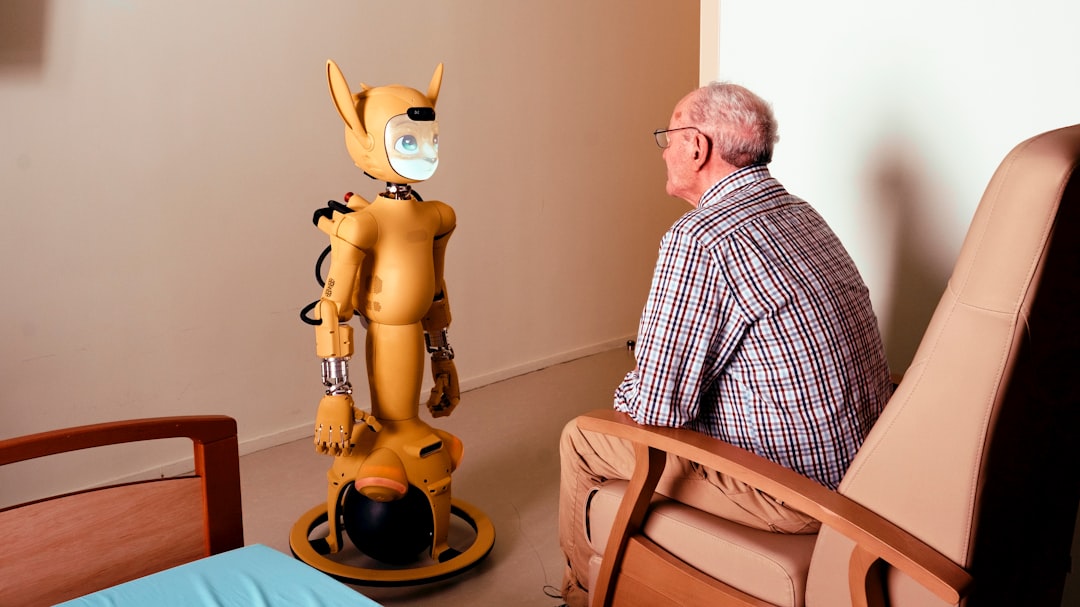
Well, Sarah, turns out, you're onto something. Robo-pets, or AI companion animals, are making waves in elder care, and for surprisingly good reasons. These aren't just toys; they're designed to mimic the behavior and appearance of real animals, offering comfort and companionship without the responsibilities.
What Exactly are AI Companion Animals for Seniors?
AI companion animals are robotic pets designed to provide emotional support and engagement for seniors. They're programmed to respond to touch, sound, and voice, mimicking the behaviors of real animals like cats and dogs. Think purring, barking, tail-wagging, and even responding to simple commands. The goal? To offer the benefits of pet ownership without the challenges of feeding, walking, or cleaning up after a live animal.
As more seniors are living alone, finding new ways to help them combat loneliness and stay engaged is important. In fact, a 2023 report by the Administration for Community Living found that nearly one-fourth of adults aged 65 and older live alone.
How Can Robo-Pets Benefit Seniors?
The benefits of pet ownership for seniors are well-documented: reduced loneliness, increased social interaction, and even improved physical health. But real pets aren't always a practical option. Allergies, mobility issues, or facility restrictions can make traditional pet ownership impossible. That's where AI companions come in.
Here are some of the ways these robotic companions are making a difference:
- Combating Loneliness and Isolation: Let’s face it, feeling alone is awful. A robo-pet provides a constant companion, offering a sense of connection and reducing feelings of isolation. They respond to touch and interaction, creating a feeling of being needed and loved.
- Reducing Anxiety and Agitation: The calming presence of a pet can work wonders for anxious seniors. Stroking a soft, purring cat (even a robotic one) can lower blood pressure and release endorphins, promoting relaxation.
- Providing Cognitive Stimulation: Interacting with a robo-pet can stimulate cognitive function, especially in seniors with dementia. The act of petting, talking to, and caring for the animal can trigger memories and encourage engagement.
- Encouraging Physical Activity: Some robo-dogs are programmed to encourage physical activity. They can "ask" to go for a walk (even if it's just around the living room) or "play" fetch, prompting seniors to move around and stay active.
- Offering a Sense of Purpose: Caring for a pet, even a robotic one, gives seniors a sense of purpose and responsibility. They have something to nurture and care for, which can improve their overall sense of well-being.
Are There Drawbacks to Consider?
Of course, robo-pets aren't a perfect solution. There are some potential drawbacks to consider:
- Cost: While generally more affordable than real pets, AI companions can still be a significant expense, ranging from a few hundred to several thousand dollars.
- Ethical Considerations: Some people worry about the ethical implications of using robotic animals to replace human interaction, particularly in dementia care. It's important to remember that robo-pets should be used as a supplement to, not a replacement for, human connection.
- Technological Limitations: While AI is advancing rapidly, robo-pets still have limitations. They may not always respond appropriately or provide the same level of emotional connection as a real animal.
- Potential for Deception: Seniors with cognitive decline may not understand that the pet is robotic, which could lead to confusion or disappointment.
How Can I Help My Parent with Dementia Feel Less Lonely?
Loneliness can be a big problem for folks with dementia. They might have trouble communicating, remembering faces, or participating in activities they used to enjoy. Here are some things you can try to help:
- Regular Visits: Even short, frequent visits can make a big difference. Just sitting and holding their hand, talking about old times, or looking at family photos can provide comfort and connection.
- Meaningful Activities: Try to find activities that your parent enjoys and can still participate in. This could be anything from listening to music and looking at photo albums to doing simple chores or spending time outdoors. Maybe adapt some of their favorite recipes from the garden to plate
- Social Interaction: Encourage social interaction whenever possible. This could involve joining a senior center, attending religious services, or participating in group activities at their care facility.
- Sensory Stimulation: Sensory activities can be very calming and engaging for people with dementia. Try things like aromatherapy, massage, or spending time in a garden.
- Technology: Explore technology options like video calls, online games, or even AI companion animals. These tools can help seniors stay connected and engaged, even when they're physically isolated.
I remember reading a story on Reddit about a woman whose grandfather, who had severe dementia, became incredibly attached to a robotic dog. She wrote that he would talk to it, feed it (pretend, of course), and even take it for "walks" around the house. It gave him a sense of purpose and seemed to significantly reduce his anxiety. (I’ve changed the names to protect their privacy.)
"At first, we were a little weirded out," she wrote. "But then we saw how happy it made him. It was like he had a little buddy again." That’s pretty powerful.
What are Some Popular Robo-Pet Options?
Several companies are creating AI companion animals for seniors. Here are a few of the most popular options:
| Brand | Type of Pet | Key Features | Price Range |
|---|---|---|---|
| PARO | Seal | Therapeutic robot that responds to touch and voice, mimicking the behavior of a baby seal. Used in hospitals and care facilities to reduce stress and anxiety. | $6,000+ |
| Tombot | Dog | Lifelike robotic dog that responds to voice commands and touch. Designed to provide companionship and emotional support. | $450+ |
| Joy for All Companion Pets | Cat & Dog | Realistic-looking robotic pets that purr, meow, bark, and respond to touch. Designed to provide comfort and companionship. A recent article in วารสารการเงินธนาคาร highlighted these pets as a new alternative in the Silver Economy. วารสารการเงินธนาคาร | $120-150 |
It's worth doing some research to find the best fit for your loved one's needs and preferences. Consider factors like size, weight, features, and cost.
Beyond robo-pets, there are other technological solutions that can help seniors stay connected. For instance, smart pill dispensers can help manage medications, and services like ElderVoice offer daily check-in calls to provide companionship and peace of mind for family members.
What are the Ethical Considerations?
The use of AI companion animals raises some ethical questions, particularly when it comes to seniors with cognitive decline.
- Deception: Is it ethical to present a robotic pet as a real animal, especially if the senior doesn't understand the difference?
- Replacement vs. Supplement: Are robo-pets being used as a replacement for human interaction, or as a supplement to it?
- Autonomy: Do seniors have the right to choose whether or not they want to interact with a robotic pet?
Frequently asked questions
Are AI companion animals a good substitute for real pets?
No, AI companion animals are not a substitute for real pets. They can, however, provide companionship, reduce loneliness, and stimulate cognitive function in seniors who are unable to care for a real animal.
How much do AI companion animals cost?
The cost of AI companion animals varies depending on the type and features. Some models can be found for around $100, while more advanced models can cost several thousand dollars.
Are AI companion animals suitable for seniors with dementia?
Yes, AI companion animals can be particularly beneficial for seniors with dementia. They can provide a calming presence, stimulate interaction, and reduce anxiety and agitation.
Where can I buy AI companion animals?
AI companion animals can be purchased online, at some pharmacies, and at specialty stores that carry assistive technology devices. Check with the manufacturer to confirm authorized retailers.
AI companion animals aren't a magic bullet. They're not going to solve all the problems of aging or cure loneliness. But they can be a valuable tool in the toolbox, offering comfort, engagement, and a sense of purpose to seniors who might otherwise be struggling. And sometimes, a little bit of comfort is all it takes to make a big difference. Maybe Aunt Carol will get a little of that comfort. I sure hope so.
"The best and most beautiful things in the world cannot be seen or even touched - they must be felt with the heart." — Helen Keller
How ElderVoice can help your family
ElderVoice makes friendly AI phone calls to your parent for wellness checks, medication reminders, and real conversation — on any phone, with no app or Wi-Fi to set up. Explore our dementia & memory-care companion calls, or start a free trial today.