Flashlight, Whistle, and Will: Building a Senior-Specific Emergency Preparedness Kit
ElderVoice
February 10, 2026
Key takeaways
- A senior-specific emergency kit should include items addressing medical needs, communication, comfort, and safety.
- Regularly review and update the kit to account for changing health conditions, medications, and seasonal factors.
- Involve seniors in the process to respect their autonomy and ensure the kit meets their individual preferences and needs.
It was a Tuesday morning, and I was on the phone with my Aunt Carol, 82, when the line went dead. A sudden summer storm had knocked out power across her neighborhood. My first thought wasn't about the inconvenience of a cold cup of coffee, but about Carol – alone, with limited mobility, and a dependence on her electric lift chair. What if she needed help? What if she couldn't reach her phone?
That experience pushed me to create a truly useful emergency kit for her, one that went beyond the standard checklist. It's not just about having supplies; it's about having the right kind of supplies, tailored to the individual. When an emergency hits, knowing you've prepared thoughtfully can make all the difference – both for your loved one and for your own peace of mind.
What should a senior emergency preparedness kit contain?
Creating a senior-specific emergency preparedness kit involves thinking beyond the basics. While water, non-perishable food, and a first-aid kit are essential, the needs of seniors often require additional considerations. It's about anticipating potential challenges and addressing them proactively.
Here's a breakdown of the categories to consider:
- Medical Needs:
- Medications: A supply of all prescription medications, enough for at least a week. Don't forget over-the-counter medications, such as pain relievers, allergy medicine, and any other regularly used items. Keep a current list of all medications, dosages, and prescribing doctors.
- Medical Information: A printed list of medical conditions, allergies, and emergency contacts. Consider a medical alert bracelet or necklace if your loved one doesn't already have one.
- Assistive Devices: Ensure backup batteries for hearing aids, wheelchairs, or other essential medical equipment. If your loved one uses glasses, include a spare pair.
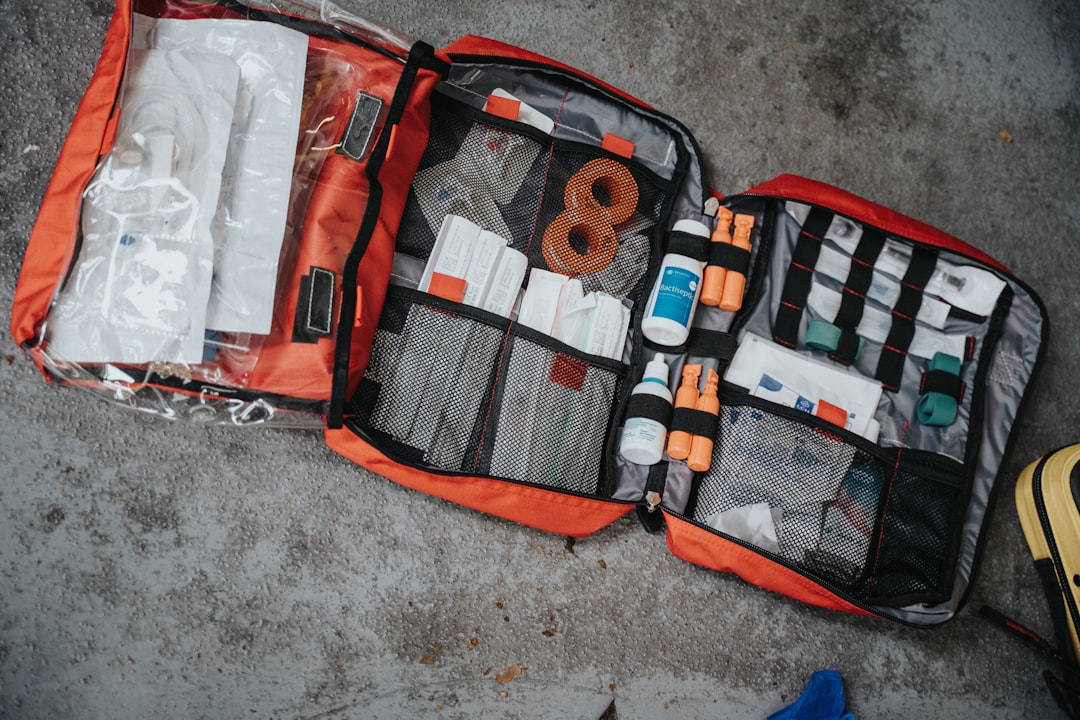
- First Aid: While a standard first-aid kit is a good start, consider adding items specific to senior needs, such as antiseptic wipes for fragile skin, extra bandages, and pain relief cream.
- Communication:
- Weather Radio: A NOAA weather radio (crank-powered or battery-operated) to stay informed about emergency situations.
- Whistle: A loud whistle for signaling for help. It's much easier to use than shouting, especially for someone with limited lung capacity.
- Charged Power Bank: Make sure it's charged and ready to go! During the outage that affected my Aunt Carol, she couldn't charge her phone.
- List of important phone numbers: Include family, friends, doctors, and the non-emergency police number. Do not rely solely on a cell phone's contact list, as a dead battery makes that useless.
- Comfort and Personal Needs:
- Warm Blanket: Even in warmer climates, temperatures can drop unexpectedly, especially during power outages.
- Comfort Items: A favorite book, puzzle, or small hobby item can help reduce anxiety and boredom.
- Personal Hygiene Items: Travel-sized toiletries, including soap, shampoo, toothbrush, toothpaste, and moist towelettes.
- Incontinence Supplies: If applicable, include extra pads or briefs.
- Dentures: Include denture adhesive and a denture cleaning container if your loved one wears dentures.
- Safety and Practicality:
- Flashlight: A bright flashlight with extra batteries. A headlamp can be particularly useful, allowing hands-free operation.
- Cash: Small bills, in case ATMs are down or stores can't process electronic payments.
- Copies of Important Documents: Keep copies of identification, insurance cards, and any legal documents, such as a power of attorney.
- Easy-Open Food: Non-perishable food items that are easy to open and require no cooking or refrigeration. Think canned goods with pull-top lids, granola bars, and dried fruit.
- Water: At least a three-day supply of water (one gallon per person per day).
How can I personalize the kit for my loved one's specific conditions?
The generic advice is a starting point, but the true value of an emergency kit lies in its personalization. Consider your loved one's specific health conditions, mobility limitations, and personal preferences.
Here's how to tailor the kit:
- Diabetes: Include glucose tablets or gel, and sugar-free snacks.
- Heart Conditions: Add an extra supply of nitroglycerin tablets (if prescribed) and a list of warning signs for a heart attack.
- Dementia: Include familiar and comforting items, such as photos or a favorite blanket. Keep the kit simple and easy to understand. Consider a large-print checklist to help them locate items.
- Mobility Issues: Ensure all items are easily accessible. Use a rolling bag or backpack to make the kit portable. Include tools to assist with opening containers or administering medication.
- Sensory Impairments: Use large-print labels and tactile markers for those with vision loss. For those with hearing loss, consider a visual alert system, such as a flashing light, to signal emergencies.
Remember, a senior emergency preparedness kit isn't a one-size-fits-all solution. It's a personalized tool designed to address the unique needs and circumstances of your loved one.
Addressing the Emotional Component
Emergency preparedness isn't just about physical supplies. It's also about emotional well-being. Many seniors experience anxiety and fear during emergencies, especially if they live alone. A well-stocked kit can provide a sense of security and control, but it's also important to address the emotional aspects of preparedness.
- Communication Plan: Develop a clear communication plan with your loved one. Discuss how you will stay in touch during an emergency, and establish a backup plan in case phone lines are down.
- Practice Drills: Conduct regular practice drills to familiarize your loved one with the contents of the kit and the steps to take during an emergency. This can help reduce anxiety and increase confidence.
- Emotional Support: Provide reassurance and emotional support. Remind your loved one that they are not alone and that you are there to help.
How can caregivers recognize early signs of burnout?
Building and maintaining an emergency preparedness kit for a senior loved one is just one aspect of caregiving. It's easy for caregivers to become overwhelmed and experience burnout. According to a 2020 study by the Centers for Disease Control and Prevention (CDC), caregivers of older adults are at increased risk for depression, anxiety, and other health problems.
Here are some warning signs of caregiver burnout:
- Persistent Fatigue: Feeling tired and drained, even after getting enough sleep.
- Increased Irritability: Becoming easily frustrated or angry with your loved one or other family members.
- Social Withdrawal: Losing interest in activities you once enjoyed and withdrawing from social interactions.
- Changes in Appetite or Sleep: Experiencing significant changes in appetite or sleep patterns.
- Feelings of Hopelessness: Feeling overwhelmed and hopeless about the future.
Even something as simple as scheduling daily check-in calls can provide reassurance that someone is looking out for your loved one. Services like ElderVoice offer proactive phone check-ins, medication reminders, and can alert family members if something seems amiss. It's not about replacing family connection, but supplementing it, especially when distance is a factor. There are also tablet-based AI companions like ElliQ that some families find helpful, although ElderVoice's phone-based approach is often easier for seniors to adopt.
Maintaining and Updating the Kit
Creating the kit is just the first step. Regular maintenance and updates are essential to ensure it remains effective. Remember, things change.
Here's a checklist for maintenance:
- Check Expiration Dates: Regularly check the expiration dates on food, water, and medications. Replace any expired items.
- Replace Batteries: Replace batteries in flashlights, radios, and other electronic devices every six months.
- Update Medical Information: Review and update medical information, including medication lists and emergency contacts, at least once a year, or more frequently if there are any changes.
- Review and Restock: Review the contents of the kit with your loved one to ensure it still meets their needs and preferences. Restock any items that have been used or are running low.
- Consider Seasonal Changes: Adjust the kit to account for seasonal changes. In winter, add extra blankets, warm clothing, and hand warmers. In summer, include sunscreen, insect repellent, and a cooling towel.
| Item | Quantity | Frequency of Review |
|---|---|---|
| Medications | 7-day supply | Monthly |
| Food and Water | 3-day supply | Every 6 months |
| Batteries | Extra sets for all devices | Every 6 months |
| Medical Information | Printed list | Annually (or as needed) |
Beyond the Kit: Building Community Support
While a well-stocked emergency kit is essential, it's also important to build a network of community support. This can include family members, friends, neighbors, and local organizations.
- Share Your Plan: Share your emergency plan with trusted family members, friends, or neighbors. Let them know where the kit is located and how to access it.
- Check on Each Other: Encourage neighbors to check on each other during emergencies. A simple phone call or knock on the door can make a big difference.
- Register with Local Services: Register your loved one with local emergency services, such as the fire department or police department. This can ensure they receive priority assistance during an emergency.
As we get older, we can find ourselves more vulnerable. Things that were once simple become difficult. Being proactive about emergency preparedness is an act of love, a way to say, "I see you, I care about you, and I want you to be safe." It's about empowering our seniors to face the unexpected with confidence and dignity. And maybe, just maybe, it's about giving us, the caregivers, a little more peace of mind, too.
Frequently asked questions
How often should I review and update the emergency preparedness kit?
It's recommended to review the kit at least twice a year, checking expiration dates, replacing batteries, and updating medical information. More frequent reviews may be necessary if there are changes in your loved one's health or medications.
What if my loved one resists the idea of an emergency kit?
Approach the topic gently and explain the benefits of preparedness in a non-alarming way. Involve them in the process and allow them to personalize the kit with items they find comforting. Focus on the goal of peace of mind and security.
How can I make the kit easy to use for someone with limited mobility?
Use a rolling bag or backpack to make the kit portable. Ensure all items are easily accessible and labeled clearly. Include tools to assist with opening containers or administering medication.
What are some common mistakes to avoid when creating a senior emergency kit?
Forgetting to personalize the kit, neglecting to check expiration dates, and failing to involve the senior in the process are common mistakes. Also, don't assume that a generic kit will meet all of your loved one's needs.
Where should I store the emergency preparedness kit?
The kit should be stored in a location that is easily accessible to your loved one, such as a closet, under the bed, or in a designated area. Make sure everyone knows where the kit is located.
How ElderVoice can help your family
ElderVoice makes friendly AI phone calls to your parent for wellness checks, medication reminders, and real conversation — on any phone, with no app or Wi-Fi to set up. Explore our daily check-in calls, or start a free trial today.