Senior Food Swaps: Small Spring Changes, Big Nutritional Impact
ElderVoice
April 19, 2026
Key takeaways
- Simple food swaps using spring produce can significantly improve senior nutrition without restrictive dieting.
- Focusing on adding nutrient-rich foods, rather than solely restricting less healthy options, promotes a positive relationship with food.
- Empowering seniors to make their own food choices can increase their engagement and enjoyment of meals.
The aroma of fresh-cut grass, the vibrant colors of blooming flowers – spring is a feast for the senses. But for many seniors, it can also be a time when appetite wanes or old habits are hard to break. Instead of battling those tendencies head-on with strict diets, how about a gentler approach? What if we focused on adding good things, one delicious swap at a time?
I've seen it work wonders. My Aunt Millie, bless her heart, was stuck in a rut of toast and tea. Getting her interested in food again felt impossible. Then, one day, I brought over a basket of fresh strawberries from the farmer's market. That bright red color, that sweet smell…it sparked something. Suddenly, she was swapping jam for sliced berries on her toast, and it opened the door to a whole world of flavorful, nutritious options.
That's the power of food swaps. They're not about deprivation; they're about upgrades. They're about finding joy in eating again, one bite at a time.
How can simple food swaps boost senior nutrition this spring?
Think of it as a "this for that" strategy. Instead of saying, "No more cookies!" (which, let's be honest, nobody wants to hear), you might suggest, "How about we try some berries and yogurt for dessert instead?" It's about offering a tasty alternative that packs a bigger nutritional punch.
Here's the kicker: seniors are more likely to embrace changes when they feel in control. Involving them in the swap selection, letting them choose what sounds good, can make all the difference.
Story Time: The Case of the Missing EnergyI remember reading a post on Reddit about a user whose grandfather, let's call him George, was constantly complaining about feeling tired. George was eating plenty, but mostly processed foods. His granddaughter started making small swaps: replacing white bread with whole grain, adding spinach to his omelets, and offering fruit instead of sugary snacks. Within a few weeks, George’s energy levels were noticeably better, and he felt more engaged in his daily activities. It wasn't about restriction; it was about adding the good stuff.
Specific Spring Food Swap Ideas:
- Instead of white bread, try whole grain or sprouted grain bread. These options offer more fiber, which can aid digestion and keep blood sugar levels stable. Fiber is helpful with regularity, too. Aunt Millie certainly noticed a difference there!
- Replace potato chips with sliced cucumbers and hummus. This swap provides a satisfying crunch with added nutrients and healthy fats. Hummus is a great source of plant-based protein, too.
- Swap ice cream for frozen yogurt with fruit. A slightly lighter option that still satisfies a sweet tooth while providing calcium and probiotics.
- Replace soda with sparkling water infused with fruit and herbs. This is a refreshing and hydrating alternative to sugary drinks. Try adding slices of cucumber, lemon, and mint to a pitcher of sparkling water for a spa-like treat.
- Swap heavily processed frozen meals for a simple homemade soup. Nothing beats a light broth with some fresh spring vegetables. You can make a big batch and freeze individual portions for easy access.
What are the benefits of nutrient-rich spring foods for seniors?
Spring offers a bounty of fresh, seasonal produce that's bursting with vitamins, minerals, and antioxidants. These nutrients are helpful for seniors in many ways.
| Nutrient | Benefits for Seniors | Spring Food Sources |
|---|---|---|
| Vitamin C | Boosts immune function, supports collagen production for healthy skin. | Strawberries, asparagus, spinach, peas |
| Vitamin K | Important for bone health and blood clotting. | Leafy greens (spinach, kale, lettuce) |
| Fiber | Aids digestion, helps regulate blood sugar, and promotes heart health. | Asparagus, peas, berries, whole grains |
| Antioxidants | Protect cells from damage, reduce inflammation. | Berries, spinach, kale |
| Folate (Vitamin B9) | Important for cell growth and function, may help prevent cognitive decline. | Asparagus, spinach |
Beyond the physical benefits, focusing on food swaps can have a positive impact on mental and emotional well-being. When seniors feel they have a choice and are actively participating in their care, they're more likely to feel empowered and engaged. This can lead to improved mood, reduced stress, and a greater sense of purpose. This is something we at ElderVoice care deeply about - the peace of mind that comes from knowing your loved ones are doing okay. That's why we offer daily check-in calls for seniors, to provide that regular connection and catch any potential issues early on.
It's about creating a positive experience around food, rather than a battleground of restrictions. And honestly, isn't that what we all want, regardless of age?
How can caregivers encourage healthy food swaps?
This is where a little creativity and patience come in. Caregiving is never easy. It's finding the right balance between gentle encouragement and respecting their autonomy.
- Start Small: Don't try to overhaul their entire diet overnight. Introduce one or two swaps at a time and see how they respond.
- Make it Visual: Present the food in an appealing way. Bright colors and attractive presentation can make a big difference.
- Involve Them in the Process: Take them grocery shopping, let them choose recipes, or ask for their input on meal planning. Sibling Squabbles: Resolving Conflicts Over Elderly Parent Care can be reduced with the help of this step.
- Focus on Taste and Texture: Choose swaps that are similar in taste and texture to their favorite foods. For example, if they love creamy desserts, try a Greek yogurt parfait with berries.
- Be Patient and Persistent: It may take time for them to adjust to new flavors and textures. Don't give up if they don't like something the first time. Keep offering it in different ways.
- Celebrate Successes: Acknowledge and celebrate their efforts, no matter how small. Positive reinforcement can go a long way.
- Be a Role Model: Let them see you enjoying healthy food swaps. Monkey see, monkey do, right?
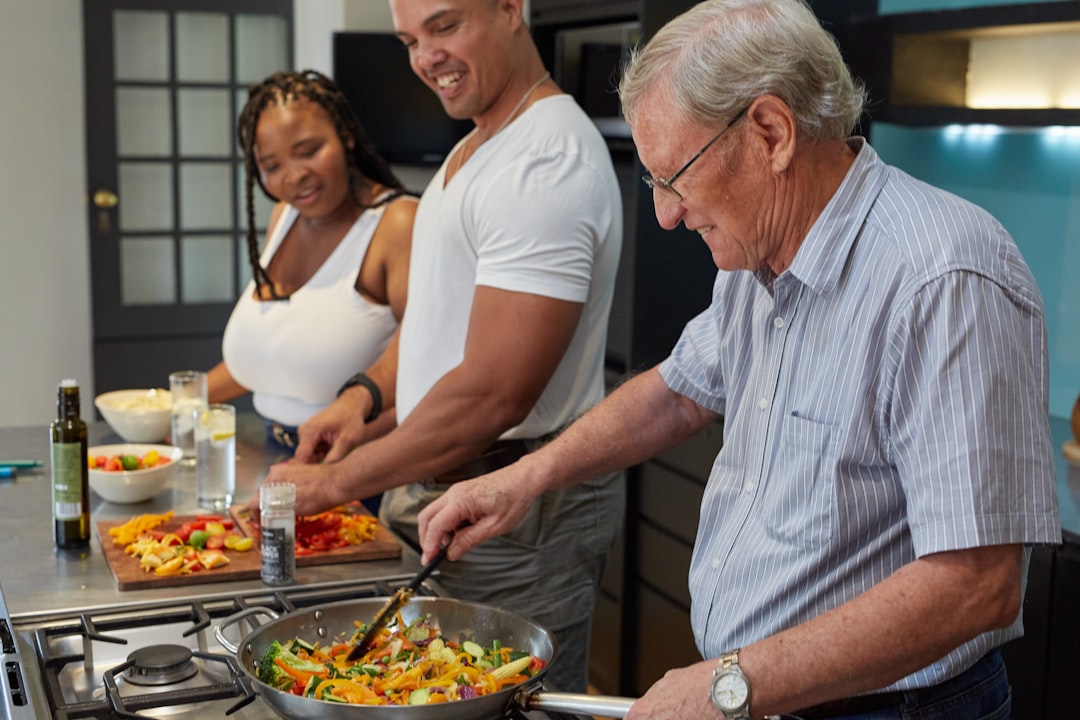
Turn the kitchen into a fun, experimental space. Let your senior loved one help prepare meals, even if it's just stirring a pot or washing vegetables. Cooking together can be a great way to bond and explore new flavors.
Consider this quote from Mister Rogers:
" mutual caring relationship calls for kindness and forgiveness from both people. — Mister RogersNavigating Challenges
Of course, there will be challenges. Some seniors may have difficulty chewing or swallowing, while others may have specific dietary restrictions due to medical conditions. It's essential to work with a doctor or registered dietitian to develop a personalized meal plan that meets their needs.
Remember, it's not about perfection; it's about progress. Every small swap makes a difference, and every effort to improve their nutrition is a step in the right direction.
And if you're struggling to manage everything from a distance, there are resources available to help. Companies like ElliQ offer AI companions that can assist with reminders and engagement, although ElderVoice takes a simpler approach by using regular phone calls to check in and offer companionship. It's all about finding what works best for your family's needs.
In a world that often feels overwhelming, the simple act of sharing a meal, of making a small, positive change, can be a powerful act of love and connection.
Frequently asked questions
What if my loved one refuses to try new foods?
Persistence is key, but so is respecting their autonomy. Offer small samples of new foods alongside familiar favorites. Don't pressure them to eat anything they don't want to. Try again another day.
How can I make food swaps easier for someone with limited mobility?
Prepare ingredients in advance, use adaptive utensils, and ensure they have a comfortable and accessible seating arrangement. Consider pre-cut vegetables and fruits to minimize preparation time.
Are food swaps expensive?
Not necessarily. Focus on affordable seasonal produce and pantry staples. Growing your own herbs and vegetables can also be a cost-effective way to add flavor and nutrients to meals. Check out "Spring Cleaning for Senior Eyes: Allergens, Sunlight & Vision Strain" for tips.
What if my loved one has diabetes?
Work closely with a doctor or registered dietitian to develop a meal plan that manages blood sugar levels effectively. Focus on low-glycemic foods, such as non-starchy vegetables, lean protein, and whole grains. Fathom Journal recently published an article with easy food swaps to help manage blood sugar today.
How do I deal with a senior who has a very limited appetite?
Offer smaller, more frequent meals throughout the day. Focus on nutrient-dense foods that pack a lot of calories into a small serving size. Consider adding healthy fats, such as avocado or olive oil, to boost calorie intake.
How ElderVoice can help your family
ElderVoice makes friendly AI phone calls to your parent for wellness checks, medication reminders, and real conversation — on any phone, with no app or Wi-Fi to set up. Explore our daily check-in calls, or start a free trial today.