Beyond Multivitamins: Nutrient-Dense Foods for Senior Wellness
ElderVoice
January 25, 2026
Key takeaways
- Prioritizing nutrient-dense foods over solely relying on multivitamins can significantly boost energy and overall well-being in seniors.
- Addressing common challenges like reduced appetite and chewing difficulties is key to successfully incorporating these foods into a senior's diet.
- Small, frequent meals, softer textures, and creative flavor combinations can make nutrient-dense foods more appealing and accessible for older adults.
It's Tuesday morning, and I'm on the phone with my Aunt Carol. She's 82 and lives alone, and we try to chat at least once a week. Today, she's complaining about feeling tired all the time. "I take my multivitamin every day," she says. "So I don't know why I'm so run down!"
And that's the thing, isn't it? We often think a multivitamin is the magic bullet for senior health. But what if I told you there's a whole world of delicious, real food that can do even more?
This isn't about ditching the multivitamin altogether (always talk to your doctor first!). It's about prioritizing nutrient-dense foods – the kind that pack a serious nutritional punch – to supercharge your health and energy levels.
What Are Nutrient-Dense Foods, Exactly?
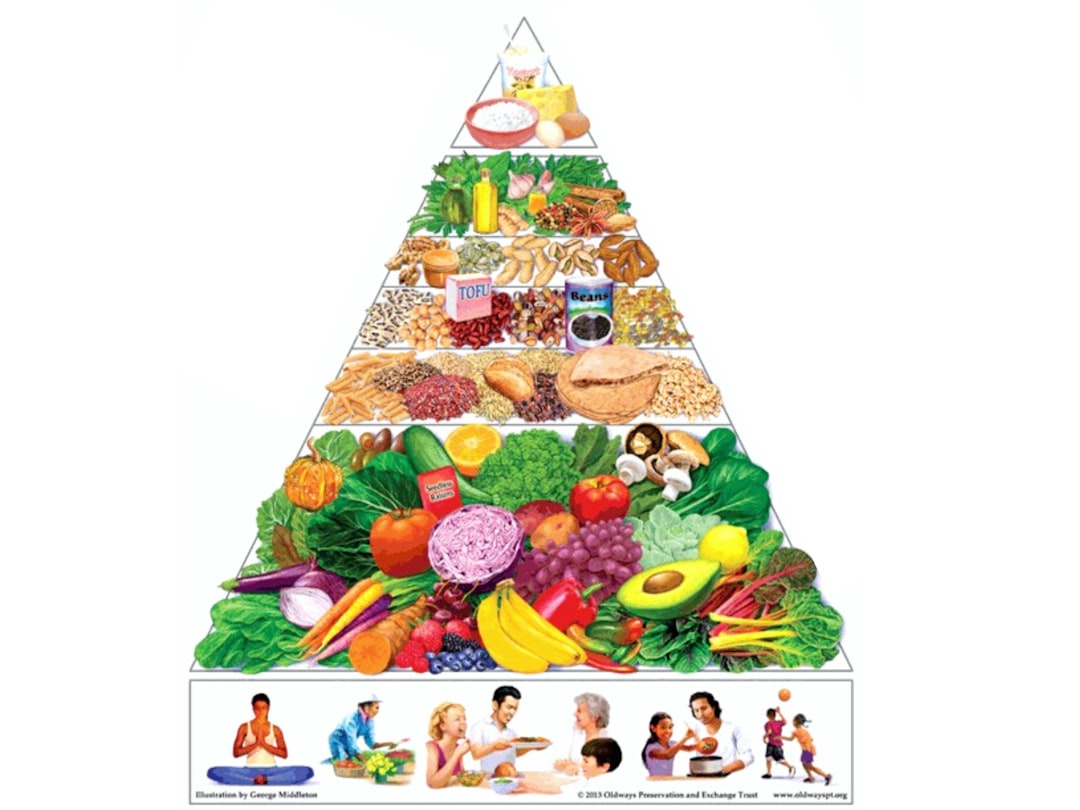
Think of nutrient-dense foods as the superheroes of your plate. They're foods that are high in vitamins, minerals, antioxidants, and other beneficial compounds, but relatively low in calories. They give you the most bang for your nutritional buck.
Instead of empty calories from processed snacks, nutrient-dense foods fuel your body with what it needs to thrive.
Examples include:
- Leafy greens: Spinach, kale, collard greens
- Berries: Blueberries, strawberries, raspberries
- Fatty fish: Salmon, tuna, mackerel
- Legumes: Beans, lentils
- Nuts and seeds: Almonds, walnuts, chia seeds
- Whole grains: Oats, quinoa, brown rice
- Colorful vegetables: Bell peppers, carrots, sweet potatoes
Why Are Nutrient-Dense Foods So Important for Seniors?
As we age, our bodies change. We might not absorb nutrients as well as we used to. Our appetites can decrease, making it harder to get enough of what we need. And certain medications can interfere with nutrient absorption too. According to the CDC, over 85% of adults over 65 take prescription medications.
That's why focusing on nutrient-dense foods becomes even more important in our later years.
Here's the kicker: These foods can help:
- Boost energy levels: Feeling sluggish? Nutrient-rich foods provide sustained energy without the crash.
- Support bone health: Calcium and vitamin D are vital for strong bones, especially as we age. Osteoporosis affects a large number of seniors; the National Osteoporosis Foundation estimates that 54 million Americans have osteoporosis and low bone mass.
- Strengthen the immune system: Vitamins C, D, and zinc help keep your immune system strong, making you less susceptible to illness.
- Improve cognitive function: Nutrients like omega-3 fatty acids and antioxidants support brain health and may help protect against cognitive decline.
- Manage chronic conditions: A healthy diet can play a significant role in managing conditions like diabetes, heart disease, and arthritis.
How Can I Help My Parent Incorporate These Foods Into Their Diet?
Okay, so we know nutrient-dense foods are great. But how do you actually get your loved one to eat them, especially if they're a picky eater or have trouble chewing?
Here's where a little creativity and understanding come in handy.
Addressing Common Challenges
Let's face it, getting seniors to eat healthy isn't always a walk in the park. Here are some common hurdles and how to overcome them:
- Decreased Appetite: Many seniors experience a reduced appetite due to various factors, including medication side effects or changes in taste and smell. The good news is that small, frequent meals can be easier to manage than large ones. Offer nutrient-dense snacks like yogurt with berries or a handful of nuts throughout the day.
- Difficulty Chewing: Dental problems or difficulty swallowing can make it hard to eat certain foods. Opt for softer textures like cooked vegetables, mashed sweet potatoes, or smoothies. You can also try pureeing foods to make them easier to swallow.
- Loss of Taste and Smell: Age-related changes can diminish the sense of taste and smell, making food less appealing. Use herbs, spices, and flavorful sauces to add zest to meals. Experiment with different flavor combinations to find what your loved one enjoys.
- Limited Mobility or Cooking Skills: If your parent has difficulty getting around or preparing meals, consider meal delivery services or enlisting the help of a home health aide. The Administration for Community Living offers resources to find local meal programs.
- Resistance to Change: Some seniors are simply resistant to trying new foods. Start small by introducing one new item at a time. Prepare it in a way that's familiar and appealing. And be patient – it may take several tries before they accept it.
Practical Strategies
Here are some practical tips for incorporating nutrient-dense foods into your senior's diet:
- Focus on Flavor: Don't assume healthy food has to be bland. Use herbs, spices, lemon juice, and flavorful sauces to make meals more appealing. Roasting vegetables brings out their natural sweetness, and adding a sprinkle of cheese or a dollop of sour cream can make them more enticing.
- Make it Easy to Eat: Cut food into bite-sized pieces, and remove any tough skins or seeds. If chewing is a problem, opt for softer textures like mashed potatoes, cooked fruits, or smoothies. A previous ElderVoice blog post goes into detail with recipes that are easy to eat.
- Serve Small, Frequent Meals: Large meals can be overwhelming. Offer smaller portions more often throughout the day. This can help prevent your loved one from feeling full or bloated.
- Involve Them in the Process: If possible, involve your parent in meal planning and preparation. This can help them feel more invested in their food and more likely to eat it. Ask for their input on what they'd like to eat, and let them help with simple tasks like washing vegetables or setting the table.
- Hydrate, Hydrate, Hydrate: Don't forget about the importance of fluids. Dehydration can lead to fatigue, constipation, and other health problems. Encourage your loved one to drink plenty of water throughout the day. You can also offer other hydrating beverages like herbal tea, fruit-infused water, or broth.
- Get Creative with Smoothies: Smoothies are a great way to pack a lot of nutrients into one easy-to-drink beverage. Combine fruits, vegetables, yogurt, and protein powder for a balanced and delicious meal or snack. Add spinach or kale for a boost of vitamins and minerals – they'll hardly taste it!
A Real-Life Example
I remember reading a story on Reddit about a user whose grandfather, let's call him George, was refusing to eat anything but toast and coffee. His family was worried sick. They tried everything, but George just wouldn't budge. Finally, his granddaughter started making him smoothies with spinach, berries, and protein powder. At first, he was skeptical, but he actually liked them! Gradually, they were able to introduce other healthy foods back into his diet.
It just goes to show that with a little creativity and persistence, you can overcome even the most challenging eating habits.
Specific Foods to Focus On
Let's get down to specifics. Here are some nutrient-dense foods that are particularly beneficial for seniors:
| Food | Key Nutrients | Benefits | Tips for Incorporating |
|---|---|---|---|
| Salmon | Omega-3 fatty acids, vitamin D | Supports brain health, reduces inflammation, strengthens bones | Bake, grill, or pan-fry. Serve with roasted vegetables or a salad. |
| Blueberries | Antioxidants, vitamin C, fiber | Protects against cell damage, boosts immune system, improves digestion | Add to yogurt, oatmeal, or smoothies. Eat as a snack. |
| Spinach | Vitamin K, vitamin A, iron | Strengthens bones, supports vision, boosts energy | Add to smoothies, soups, or salads. Sauté with garlic and olive oil. |
| Lentils | Protein, fiber, iron | Builds muscle, improves digestion, boosts energy | Add to soups, stews, or salads. Make lentil soup or chili. |
| Sweet Potatoes | Vitamin A, vitamin C, fiber | Supports vision, boosts immune system, improves digestion | Bake, roast, or mash. Serve as a side dish or in a casserole. |
What About Multivitamins? Do Seniors Still Need Them?
Multivitamins can be a helpful supplement, especially if your loved one has difficulty getting all the nutrients they need from food alone. According to the Mayo Clinic, multivitamins can help fill in nutritional gaps. But they shouldn't be used as a replacement for a healthy diet.
Think of it this way: multivitamins are like insurance – they're there to provide a safety net. But nutrient-dense foods are the foundation of good health.
And remember, it's always best to talk to your doctor or a registered dietitian before starting any new supplements. They can help you determine which nutrients your loved one needs and recommend the right dosage.
Consider that ElderVoice offers daily check-in calls and medication reminders, which can help seniors stay on track with both their diet and supplement schedules. There are also tablet-based AI companions that provide reminders and support for healthy habits. It's all about finding what works best for your individual needs.
Finding the Right Balance
Ultimately, the goal is to find a balance between nutrient-dense foods and, if necessary, supplements. The key is to prioritize real, whole foods as much as possible and use supplements to fill in any gaps.
And remember, it's never too late to start eating healthier. Even small changes can make a big difference in your overall health and well-being.
"Let food be thy medicine and medicine be thy food." — Hippocrates
Frequently asked questions
What if my parent refuses to eat vegetables?
Don't give up! Try offering vegetables in different forms, such as roasted, steamed, or pureed. You can also sneak them into soups, sauces, or smoothies. It may take several tries before they accept them. You can also try preparing vegetables differently, such as roasting them to bring out their natural sweetness.
Are there any foods seniors should avoid?
Processed foods, sugary drinks, and excessive amounts of saturated and unhealthy fats should be limited. These foods offer little nutritional value and can contribute to weight gain, inflammation, and other health problems. Some seniors may also need to avoid certain foods due to allergies or medical conditions.
How can I make sure my parent is getting enough protein?
Protein is important for maintaining muscle mass and strength. Good sources of protein include lean meats, poultry, fish, eggs, beans, lentils, and nuts. Aim to include a source of protein at every meal. A lack of protein can result in fatigue and loss of muscle mass, so it's important to ensure adequate intake.
Is it okay for seniors to drink coffee?
Coffee can be part of a healthy diet for seniors, but it's important to consume it in moderation. Caffeine can interfere with sleep and may interact with certain medications. Decaffeinated coffee is a good alternative. Pay attention to the amount of added sugar and cream, which can contribute to unwanted calories and sugar intake.
So, next time you're talking to your loved one about their health, remember that multivitamins are just one piece of the puzzle. By focusing on nutrient-dense foods and addressing common challenges, you can help them nourish their bodies from the inside out and enjoy a healthier, more vibrant life. Now, I'm going to call Aunt Carol back. I have a smoothie recipe to share.
How ElderVoice can help your family
ElderVoice makes friendly AI phone calls to your parent for wellness checks, medication reminders, and real conversation — on any phone, with no app or Wi-Fi to set up. Explore our daily check-in calls, or start a free trial today.
Sources
- Centers for Disease Control and Prevention (2021)
- National Osteoporosis Foundation (2023)
- Administration for Community Living (2024)
- Mayo Clinic (2024)