Stepping Strong: Simple Chair Exercises to Boost Balance and Prevent Falls After 70
ElderVoice
January 31, 2026
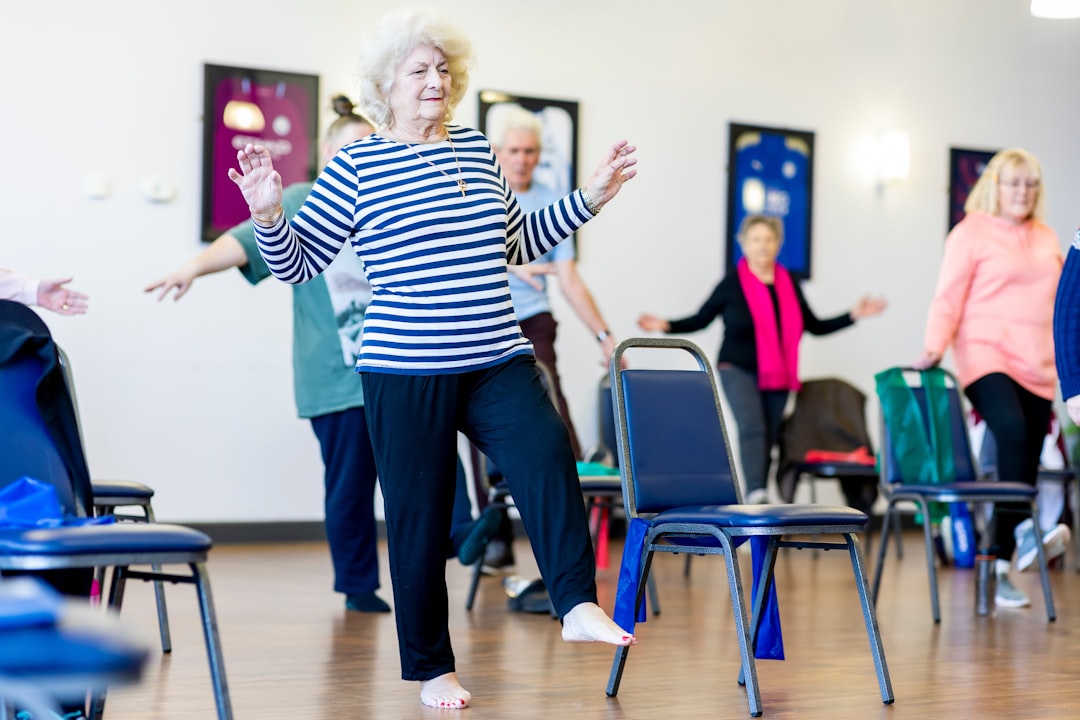
Key takeaways
- Chair exercises are a safe and effective way for seniors over 70 to improve balance and strength, reducing the risk of falls.
- A consistent routine, even just 15-20 minutes a day, can significantly enhance mobility and confidence.
- Modifications are available for each exercise to accommodate varying levels of mobility and physical limitations.
It was last November, and my Aunt Carol, bless her heart, had just turned 72. She’d always been so active, walking miles every day. But lately, I noticed she was getting… tentative. She’d grip the furniture as she walked, and her usual spark seemed dimmed by worry. One afternoon, she confessed her biggest fear: falling. It wasn’t the pain, she said, but the thought of losing her independence. Her story isn’t unique. The fear of falling is real, and it can be debilitating, especially after 70.
Falls are a leading cause of injury and loss of independence for older adults. But here’s the good news: it doesn’t have to be that way. Simple chair exercises can make a HUGE difference in balance, strength, and confidence. And the best part? You can do them from the comfort and safety of your own home.
This isn't about becoming an Olympic athlete. It's about maintaining your independence and enjoying life to the fullest, without the constant worry of taking a tumble.
Why Chair Exercises After 70?
After 70, our bodies change. Muscle mass decreases, flexibility declines, and balance can become a bit shaky. This is all perfectly normal, but it does increase the risk of falls. Chair exercises offer a gentle yet effective way to combat these changes.
- Safety First: Chair exercises eliminate the risk of falling while exercising. You have the support of the chair, allowing you to focus on the movements without fear.
- Accessibility: No fancy equipment needed! All you need is a sturdy chair and a little bit of motivation.
- Customizable: Chair exercises can be easily modified to suit different levels of mobility and physical limitations. Whether you're a seasoned exerciser or just starting out, there's a variation that will work for you.
- Convenience: You can do these exercises anytime, anywhere. Squeeze in a quick routine while watching TV, listening to music, or even chatting on the phone.
What are the Benefits of Chair Exercises for Seniors?
Regular chair exercises offer a wide range of benefits that extend beyond just fall prevention. It’s about feeling good in your body, staying active, and maintaining your independence.
- Improved Balance: Strengthens the muscles responsible for maintaining balance, reducing the likelihood of falls.
- Increased Strength: Builds strength in your legs, core, and upper body, making everyday tasks easier.
- Enhanced Flexibility: Improves range of motion in your joints, making it easier to bend, reach, and move around.
- Better Circulation: Boosts blood flow throughout your body, improving energy levels and reducing the risk of blood clots.
- Reduced Pain: Can alleviate pain associated with arthritis and other age-related conditions.
- Improved Mood: Exercise releases endorphins, which have mood-boosting effects. It's a natural way to combat stress and anxiety.
- Increased Confidence: As you become stronger and more stable, you'll feel more confident in your ability to move around safely and independently. That's a big deal.
How Can I Start a Chair Exercise Routine?
Before starting any new exercise program, it's a good idea to consult with your doctor or physical therapist, especially if you have any underlying health conditions. Once you get the green light, here’s how to get started:
- Choose the Right Chair: Select a sturdy chair with a back and no armrests. Make sure it's stable and won't slide around.
- Warm-up: Start with 5 minutes of gentle warm-up exercises, such as arm circles, shoulder rolls, and ankle rotations. This prepares your muscles for exercise and reduces the risk of injury.
- Exercise: Perform each exercise for 10-15 repetitions, or as many as you can comfortably manage. Focus on proper form and controlled movements.
- Cool-down: Finish with 5 minutes of gentle stretching to cool down your muscles and improve flexibility.
- Consistency is Key: Aim to exercise for at least 15-20 minutes, 3-5 times a week. Even short bursts of activity are better than nothing.
- Listen to Your Body: If you experience any pain, stop immediately and rest. Don't push yourself too hard, especially when you're just starting out.
Simple & Effective Chair Exercises for Seniors
Here's a sample chair exercise routine that you can easily adapt to your own needs and abilities. Remember to breathe deeply and focus on controlled movements.
Seated Marching:- Sit upright in your chair with your feet flat on the floor.
- Lift one knee towards your chest, then lower it back down.
- Repeat with the other knee, alternating legs.
- Continue marching for 1-2 minutes.
Modification: If you can't lift your knees high, simply tap your toes on the floor.
Seated Leg Extensions:- Sit upright in your chair with your feet flat on the floor.
- Extend one leg straight out in front of you, keeping your knee straight.
- Hold for a few seconds, then slowly lower your leg back down.
- Repeat with the other leg, alternating legs.
Modification: If you have difficulty straightening your leg completely, just extend it as far as you comfortably can.
Seated Bicep Curls:- Sit upright in your chair with your feet flat on the floor.
- Hold a light weight (or a can of soup) in each hand, palms facing up.
- Bend your elbows and bring the weights towards your shoulders.
- Slowly lower the weights back down.
Modification: If you don't have weights, you can do this exercise without any resistance.
Seated Side Bends:- Sit upright in your chair with your feet flat on the floor and your hands at your sides.
- Gently lean to one side, sliding your hand down your leg.
- Return to the center and repeat on the other side.
Modification: If you have difficulty bending to the side, simply reach your arm towards the side without bending.
Seated Torso Twists:- Sit upright in your chair with your feet flat on the floor and your hands clasped in front of you.
- Gently twist your torso to one side, keeping your hips facing forward.
- Return to the center and repeat on the other side.
Modification: If you have difficulty twisting, simply turn your head to look over your shoulder.
Ankle Pumps:- Sit comfortably in your chair.
- Point your toes upwards, stretching your calf muscles.
- Then, point your toes downwards, engaging your shin muscles.
- Repeat this pumping motion for about a minute.
- This exercise helps improve circulation in your lower legs and feet.
- Sit comfortably in your chair with your feet flat on the floor.
- Lift your heels off the ground, engaging your calf muscles.
- Hold for a moment, then slowly lower your heels back down.
- Repeat this exercise for about a minute.
- This strengthens your calf muscles and improves ankle stability.
| Exercise | Muscles Targeted | Benefits |
|---|---|---|
| Seated Marching | Legs, Core | Improved balance, increased leg strength |
| Seated Leg Extensions | Quadriceps | Strengthened leg muscles, improved knee stability |
| Seated Bicep Curls | Biceps | Increased upper body strength |
| Seated Side Bends | Obliques | Improved flexibility, core stability |
| Seated Torso Twists | Core, Back | Increased flexibility, improved posture |
| Ankle Pumps | Calves, Shins | Improved circulation, reduced swelling |
| Heel Raises | Calves | Strengthened calves, improved ankle stability |
Tailoring Exercises to Your Specific Needs
The beauty of chair exercises lies in their adaptability. No one-size-fits-all approach works. Your routine should be tailored to your specific needs and abilities. Maybe you have arthritis in your knees. Maybe your shoulders are a bit stiff. That’s okay! Listen to your body and make modifications as needed.
- Start Slow: Begin with a few repetitions of each exercise and gradually increase the number as you get stronger.
- Use Support: Hold onto the back of the chair for support if you feel unsteady.
- Modify Movements: Reduce the range of motion or try a different variation of the exercise if you experience any pain.
- Take Breaks: Rest when you need to. Don't push yourself too hard.
- Consider a Physical Therapist: A physical therapist can assess your individual needs and create a personalized exercise program.
And if you're managing care from afar, it can be tough to keep track of everything. Perhaps a daily phone call to check in could help. Services like ElderVoice provide proactive, friendly calls to seniors for check-ins and medication reminders, giving family members peace of mind.
How Can Caregivers Support Seniors with Chair Exercises?
If you're a caregiver, you play a crucial role in helping your loved one stay active and prevent falls. Here are some ways you can support them:
- Encourage and Motivate: Offer encouragement and positive reinforcement. Celebrate their progress, no matter how small.
- Provide Assistance: Help them set up their exercise space, find a comfortable chair, and modify exercises as needed.
- Exercise Together: Make exercise a social activity by joining them for their routine. It's a great way to bond and stay active yourself!
- Track Progress: Keep a record of their exercises and progress. This can help them stay motivated and see how far they've come.
- Communicate with Healthcare Professionals: Talk to their doctor or physical therapist about their exercise program and any concerns you may have.
What are the Signs That a Senior Needs More Support?
It's important to recognize when a senior needs more than just chair exercises to prevent falls. Here are some warning signs to watch out for:
- Frequent Falls: If they're falling frequently, even with regular exercise, it's time to seek professional help.
- Balance Problems: If they have difficulty maintaining their balance, even when standing still, they may need further evaluation.
- Muscle Weakness: If they have significant muscle weakness, especially in their legs, they may need additional strengthening exercises.
- Medical Conditions: Certain medical conditions, such as arthritis, diabetes, and Parkinson's disease, can increase the risk of falls.
- Medications: Some medications can cause dizziness or drowsiness, increasing the risk of falls. A pharmacist can review their medications and identify any potential risks.
"The best and most beautiful things in the world cannot be seen or even touched - they must be felt with the heart." — Helen Keller
Taking that first step towards a chair exercise routine might feel daunting, but the rewards – increased independence, improved health, and a renewed sense of confidence – are well worth the effort. It's about empowering yourself, or your loved one, to step strong into the future, one seated exercise at a time.
Frequently asked questions
How often should seniors do chair exercises?
Ideally, aim for at least 15-20 minutes, 3-5 times a week. Consistency is key, but even short bursts of activity are better than nothing. Listen to your body and adjust the frequency and duration as needed.
Are chair exercises enough to prevent falls?
Chair exercises are a great starting point and can significantly reduce the risk of falls, but they may not be enough for everyone. It's important to address any underlying medical conditions, review medications, and make sure the home environment is safe.
What if I can't do all the exercises in the routine?
That's perfectly fine! Start with the exercises you can comfortably manage and gradually add more as you get stronger. Modify the exercises to suit your abilities and don't be afraid to take breaks when you need them.
Can chair exercises help with arthritis pain?
Yes, chair exercises can help alleviate pain associated with arthritis by strengthening the muscles around the joints and improving flexibility. However, it's important to consult with your doctor or physical therapist to determine the best exercises for your specific condition.
Where can I find more chair exercise routines?
There are many resources available online, including videos and articles. You can also ask your doctor or physical therapist for recommendations. Look for routines specifically designed for seniors and that focus on balance and strength.
How ElderVoice can help your family
ElderVoice makes friendly AI phone calls to your parent for wellness checks, medication reminders, and real conversation — on any phone, with no app or Wi-Fi to set up. Explore our daily check-in calls, or start a free trial today.
Sources
- National Council on Aging (2024)