Light Up Your Life: Light Therapy for Better Senior Sleep & Alertness
ElderVoice
March 16, 2026
Key takeaways
- Light therapy can help regulate a senior's circadian rhythm, improving sleep and daytime alertness without medication.
- Specific types of light, especially blue and white light, are most effective when used at the right time of day.
- Consult a doctor before starting light therapy to ensure it's safe, especially if there are existing eye conditions or medications being taken.
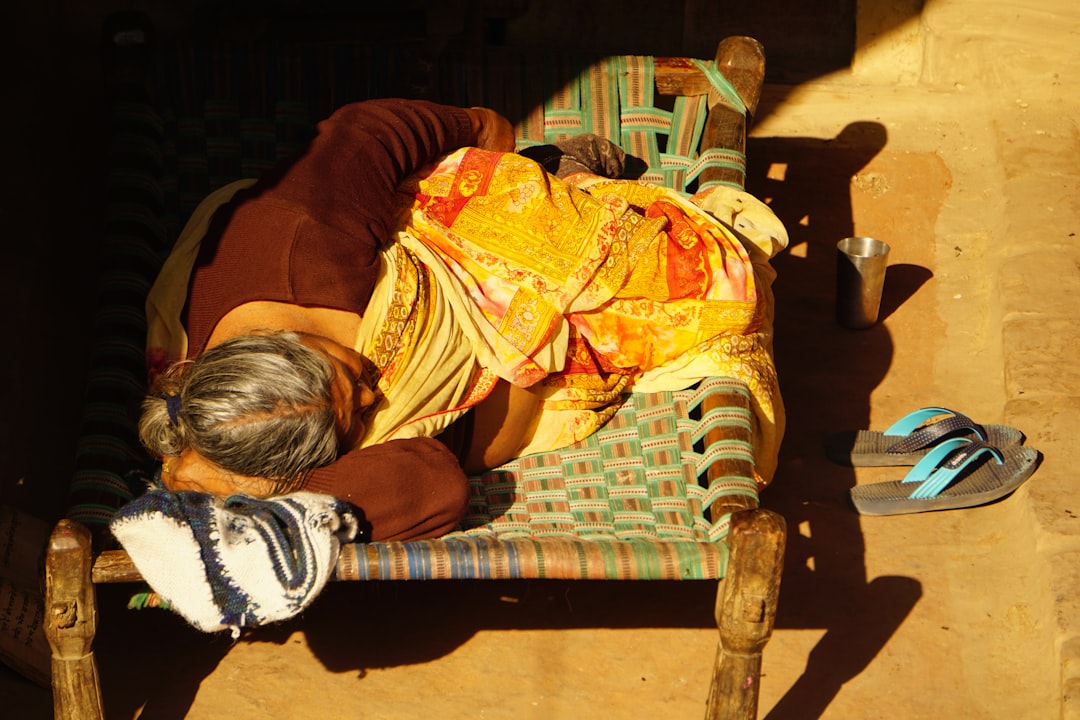
I remember the call from my Aunt Carol last winter. She was worried about her dad, my Grandpa Joe. He was 88, living alone, and his sleep was completely out of whack. He was napping all day, then up all night, watching old movies and eating toast. She said he seemed down too, not his usual cheerful self. "I'm just so tired," he told her. "And I can't seem to get anything done anymore."
It turns out, Grandpa Joe's experience isn't unusual. As we age, our internal clocks – our circadian rhythms – can get a bit wonky. This can lead to not just sleep problems, but also impact our mood, energy levels, and even our cognitive abilities. But there's good news: light therapy might be a helpful, non-drug option to get things back on track.
What is a Circadian Rhythm and Why Does it Change with Age?
Think of your circadian rhythm as your body's internal 24-hour clock. It controls when you feel sleepy, when you feel hungry, and even when certain hormones are released. It's heavily influenced by light, which is why sunrise and sunset play such a big role.
As we get older, several things can throw this clock out of whack:
- Less exposure to natural light: Seniors may spend more time indoors, especially during winter months, reducing their exposure to sunlight, which is a key regulator of the circadian rhythm.
- Changes in the brain: The part of the brain that controls the circadian rhythm, the suprachiasmatic nucleus (SCN), can become less effective with age. This might be why you wake up earlier as you get older. As reported by PA Media, waking with the larks could just be an inevitable part of growing older. PA Media cites that this is a very common phenomenon, leading to questions on whether it is an inevitable part of growing older, or a sign that something is amiss.
- Medical conditions and medications: Certain illnesses and the drugs used to treat them can disrupt sleep patterns.
- Reduced physical activity: Less activity during the day can lead to less restful sleep at night.
- Insomnia and other sleep disorders
- Daytime fatigue
- Depression and anxiety
- Cognitive decline
How Can Light Therapy Help Reset the Clock?
Light therapy involves exposing yourself to bright, artificial light at specific times of the day. The light mimics natural sunlight and signals to the brain that it's time to be awake and alert. This helps to:
- Regulate melatonin production: Melatonin is a hormone that promotes sleep. Light exposure in the morning suppresses melatonin, helping you feel more awake. Exposure to darkness in the evening triggers melatonin release, making you feel sleepy.
- Strengthen the circadian rhythm: Consistent light exposure at the same time each day helps to reinforce the body's natural sleep-wake cycle.
- Boost mood: Light therapy has been shown to be effective in treating seasonal affective disorder (SAD), a type of depression that occurs during the winter months. It can also improve mood in people with other types of depression.
What Type of Light is Best for Light Therapy?
Not all light is created equal when it comes to light therapy. Here's a breakdown of the most effective types:
- Blue light: Blue light is particularly effective at suppressing melatonin and promoting alertness. It's often used in light therapy devices for treating sleep disorders and SAD.
- White light: White light, which contains all colors of the visible spectrum, is also effective for light therapy. Look for devices that emit a broad spectrum of white light.
- Red light: While not as directly linked to circadian rhythm, red light therapy is gaining popularity for its potential benefits on cellular energy and repair, as reported by News-Medical. News-Medical highlights the influence of targeted red and near-infrared light therapies on mitochondrial biology, cellular repair pathways, and emerging clinical treatments.
Here's a quick comparison table:
| Type of Light | Benefits | Considerations |
|---|---|---|
| Blue Light | Strongest melatonin suppression, increased alertness | Can disrupt sleep if used too late in the day, potential for eye strain |
| White Light | Effective for SAD and sleep disorders, broad spectrum | May not be as potent as blue light for melatonin suppression |
| Red Light | Potential benefits for cellular repair and energy | Less direct impact on circadian rhythm |
When is the Best Time to Use Light Therapy?
The timing of light therapy is crucial for its effectiveness. In general, the best time to use light therapy is in the morning, shortly after waking up. This helps to suppress melatonin and promote alertness for the day ahead.
- Morning Light Therapy: Aim for 20-30 minutes of light therapy in the morning. This can help to shift your circadian rhythm earlier, making it easier to fall asleep at night and wake up refreshed in the morning.
- Evening Light Therapy: Avoid using bright light therapy in the evening, as it can interfere with melatonin production and make it harder to fall asleep.
How to Use Light Therapy Safely and Effectively
Here are some tips for using light therapy safely and effectively:
- Consult with a doctor: Talk to your doctor before starting light therapy, especially if you have any underlying medical conditions or are taking medications. They can help you determine if light therapy is right for you and recommend the best type of device and treatment schedule.
- Choose the right device: Look for a light therapy device that emits at least 10,000 lux (a measure of light intensity) and filters out harmful UV rays.
- Position the light correctly: Place the light therapy device about 12-24 inches away from your face and angle it slightly downwards. You don't need to stare directly at the light, but your eyes should be open and exposed to the light.
- Be consistent: Use light therapy at the same time each day, even on weekends, to help regulate your circadian rhythm.
- Start slowly: Begin with shorter sessions (e.g., 15 minutes) and gradually increase the duration as tolerated.
- Monitor for side effects: Some people may experience side effects from light therapy, such as headache, eye strain, or nausea. If you experience any side effects, stop using the device and talk to your doctor.
Other Ways to Support a Healthy Circadian Rhythm
Light therapy is a powerful tool, but it's most effective when combined with other healthy habits. Here are some additional tips for supporting a healthy circadian rhythm:
- Maintain a regular sleep schedule: Go to bed and wake up at the same time each day, even on weekends.
- Create a relaxing bedtime routine: Take a warm bath, read a book, or listen to calming music before bed.
- Make sure the bedroom environment is dark, quiet, and cool: Use blackout curtains, earplugs, or a white noise machine to minimize distractions.
- Avoid caffeine and alcohol before bed: These substances can interfere with sleep.
- Get regular exercise: Aim for at least 30 minutes of moderate-intensity exercise most days of the week. But avoid exercising too close to bedtime, as it can be stimulating.
- Expose yourself to natural sunlight during the day: Spend time outdoors, especially in the morning, to help regulate your circadian rhythm.
- Consider a daily check-in: For seniors living alone, a simple phone call can make a big difference. Services like ElderVoice provide daily check-ins and companionship via phone, which can help maintain a sense of routine and well-being.
Are There Any Risks Associated with Light Therapy?
While generally safe, light therapy isn't for everyone. It's important to be aware of potential risks and precautions:
- Eye conditions: People with certain eye conditions, such as macular degeneration or glaucoma, should consult with an ophthalmologist before starting light therapy.
- Medications: Some medications, such as certain antidepressants and antipsychotics, can increase sensitivity to light. Talk to your doctor about potential interactions before using light therapy.
- Skin sensitivity: Some people may experience skin irritation or rash from light therapy. If this occurs, stop using the device and talk to your doctor.
- Mania: In rare cases, light therapy can trigger mania in people with bipolar disorder. If you have bipolar disorder, talk to your doctor before using light therapy.
How can caregivers recognize early signs of sleep disruption in seniors?
It's not always obvious when a senior's sleep patterns are changing. Here are some subtle signs to watch out for:
- Increased daytime napping
- Difficulty falling asleep or staying asleep
- Waking up frequently during the night
- Feeling tired or sluggish during the day
- Changes in mood or behavior
- Increased confusion or disorientation
- Changes in appetite
My Aunt Carol and I talked to Grandpa Joe's doctor, and he suggested light therapy. We bought him a simple light box, and he started using it for 30 minutes every morning while he ate his breakfast. It took a few weeks, but slowly, his sleep started to improve. He was sleeping better at night, feeling more alert during the day, and his mood lifted. It wasn't a miracle cure, but it made a real difference in his quality of life. Plus, getting him out in the backyard for 15 minutes of sun with his morning coffee also seemed to help keep his mood up.
Sleep disturbances can be tough on seniors, especially those living alone. It's just good sense to consider all options to help them get back to sleeping soundly.
"Each morning, we are born again. What we do today is what matters most." — Buddha
Frequently asked questions
What is the best color of light for sleep?
While bright blue and white light are great for alertness during the day, they're terrible for sleep. For sleep, you want darkness, or very dim red or amber light, which have the least impact on melatonin production. Avoid screens (phones, tablets, TVs) before bed, as they emit blue light.
Can light therapy help with dementia-related sleep problems?
It might. Some studies suggest that light therapy can improve sleep and reduce agitation in people with dementia, but more research is needed. It's best to discuss this with the person's doctor.
How long does it take for light therapy to work?
It varies from person to person, but most people start to see results within a week or two. Consistency is key. Using the light therapy device at the same time each day will yield the best results.
Is light therapy covered by insurance?
In some cases, yes. If light therapy is prescribed by a doctor for a specific condition, such as seasonal affective disorder (SAD), it may be covered by insurance. Check with your insurance provider for details. It's also worth checking if services like 5G and Senior Medical Devices can offer additional support for monitoring and managing health conditions.
What are the best alternatives to light therapy?
Alternatives include maintaining a consistent sleep schedule, creating a relaxing bedtime routine, ensuring a dark and quiet sleep environment, avoiding caffeine and alcohol before bed, and getting regular exercise. In some cases, a doctor may recommend medication.
How ElderVoice can help your family
ElderVoice makes friendly AI phone calls to your parent for wellness checks, medication reminders, and real conversation — on any phone, with no app or Wi-Fi to set up. Explore our dementia & memory-care companion calls, or start a free trial today.