The Hidden Sugars & Salts: The Unexpected Danger of Processed Foods in Senior Diets
ElderVoice
May 16, 2026
Key takeaways
- Processed foods can contain excessive sodium, sugars, and unhealthy fats, posing significant health risks for seniors.
- Caregivers need to be vigilant about reading nutrition labels and understanding deceptive marketing tactics used to promote processed foods.
- Prioritizing whole, minimally processed foods and home-cooked meals can greatly improve seniors' nutritional intake and overall health.
It was a Tuesday afternoon when Sarah called, her voice tight with worry. "Mom's blood pressure is through the roof again," she said. "And she's so tired all the time. The doctor keeps saying it's her diet, but she says she's eating healthy!"
Sarah’s mom, like many seniors, had fallen into the trap of relying on processed foods. They seem convenient, sometimes even healthy, but they can be packed with hidden dangers that particularly affect older adults.
We're often told to watch our fat intake, but the reality is that processed foods are often loaded with excessive amounts of sodium, sugar, and unhealthy fats that contribute to high blood pressure, diabetes, and other serious conditions. Let's take a closer look at why these foods are a concern and how to help our loved ones make better choices.
What makes processed foods so dangerous for seniors?
Processed foods aren't just a modern convenience; they've become a significant part of many diets, especially for seniors who may have limited mobility or cooking abilities. But what exactly are processed foods? Simply put, they're foods that have been altered from their natural state – anything from canned vegetables to frozen dinners to those tempting packaged snacks. The problem? The processing often strips away valuable nutrients and adds unhealthy ingredients.
Here's a breakdown of the major concerns:
- Excessive Sodium: Processed foods are notorious for their high sodium content. This is used as a preservative and flavor enhancer, but it can lead to high blood pressure, heart disease, and stroke, particularly dangerous for seniors. Salt is cheap, so manufacturers load it in.
- Added Sugars: Many processed foods contain added sugars like high fructose corn syrup, sucrose, and dextrose. These sugars can contribute to weight gain, type 2 diabetes, and inflammation. Even seemingly healthy options like yogurt and granola bars can be sugar bombs.
- Unhealthy Fats: Processed foods often contain unhealthy trans fats and saturated fats, which can raise cholesterol levels and increase the risk of heart disease. These fats are often used to improve the texture and shelf life of processed foods.
- Loss of Nutrients: The processing itself can strip away important vitamins, minerals, and fiber. What's left is often an empty source of calories that does little to nourish the body.
- Artificial Additives: Many processed foods contain artificial colors, flavors, and preservatives. Some of these additives have been linked to health problems, such as allergies, hyperactivity in children, and even cancer.
How can caregivers recognize early signs of nutritional deficiencies?
Spotting a problem early can make a huge difference. Nutritional deficiencies in seniors can manifest in various ways, sometimes subtly. Keep an eye out for these signs:
- Unexplained Weight Loss: This is a big one. If your loved one is losing weight without trying, it could be a sign that they're not getting enough nutrients.
- Fatigue and Weakness: Feeling tired all the time, even after a good night's sleep, can indicate a lack of essential vitamins and minerals.
- Poor Wound Healing: Slow healing of cuts and bruises can be a sign of vitamin C or zinc deficiency.
- Brittle Nails and Hair: These can indicate deficiencies in biotin, iron, or other nutrients.
- Confusion or Memory Problems: These cognitive issues can sometimes be linked to deficiencies in vitamin B12 or other essential nutrients.
Decoding the Deceptive Marketing of "Healthy" Processed Foods
One of the biggest challenges is that many processed foods are marketed as healthy or convenient, making it difficult for seniors to distinguish between nutritious choices and those that are detrimental to their health. Here's what to watch out for:
- "Low-Fat" or "Reduced-Fat" Labels: These products often compensate for the lack of fat by adding sugar, salt, or artificial sweeteners to improve the taste. Check the ingredient list carefully.
- "Whole Grain" Claims: While whole grains are generally healthier than refined grains, some products labeled as "whole grain" may still contain a high amount of added sugars and processed ingredients. Look for products where whole grains are listed as the first ingredient.
- "Fortified" or "Enriched" Foods: These products have added vitamins and minerals, but they may still be lacking in other essential nutrients and fiber. Plus, the added nutrients may not be as easily absorbed by the body as those found in whole foods.
- "Natural" or "Organic" Labels: These terms don't always guarantee that a product is healthy. Some "natural" or "organic" processed foods may still contain high levels of sugar, salt, and unhealthy fats.
Better Choices: Nutritious Alternatives to Processed Foods
The good news is that there are plenty of delicious and nutritious alternatives to processed foods. Here are a few ideas:
- Instead of Canned Soup: Make homemade soup using fresh vegetables, broth, and lean protein. You can make a big batch and freeze it in individual portions for easy meals.
- Instead of Frozen Dinners: Prepare your own freezer meals using whole ingredients. Roast a chicken, portion it out with roasted vegetables, and freeze it for a quick and healthy dinner.
- Instead of Packaged Snacks: Opt for fresh fruits, vegetables with hummus, nuts, or yogurt. These snacks are packed with nutrients and fiber, keeping you feeling full and satisfied.
- Instead of Sugary Cereals: Choose whole grain cereals with no added sugar. Add fresh fruit and a sprinkle of nuts for flavor and nutrition. Oatmeal is also a great option.
- Instead of Processed Meats: Choose lean cuts of meat, poultry, or fish. These are excellent sources of protein and essential nutrients. You can also incorporate plant-based protein sources like beans, lentils, and tofu.
Easy Swaps for a Healthier Diet
Here's a simple table showing some common processed foods and their healthier alternatives:
| Processed Food | Healthier Alternative |
|---|---|
| Canned Soup | Homemade Soup |
| Frozen Dinners | Homemade Freezer Meals |
| Packaged Snacks (Chips, Cookies) | Fresh Fruits, Vegetables, Nuts |
| Sugary Cereals | Whole Grain Cereals (No Added Sugar) |
| Processed Meats (Bacon, Sausage) | Lean Meats, Poultry, Fish, Beans |
"Focus on adding more whole, unprocessed foods to your diet, rather than obsessing over what to eliminate," suggests registered dietitian, Jane Smith. "Small changes can make a big difference over time."
Practical Tips for Supporting Senior Nutrition
It's not always easy to change someone's eating habits, especially if they've been relying on processed foods for a long time. Here are a few tips to help support your loved one in making healthier choices:
- Start Slowly: Don't try to overhaul their diet overnight. Make small, gradual changes, such as swapping out one processed food for a healthier alternative each week.
- Involve Them in Meal Planning: Ask your loved one for their input on meal planning and grocery shopping. This can help them feel more invested in the process and more likely to stick to the plan.
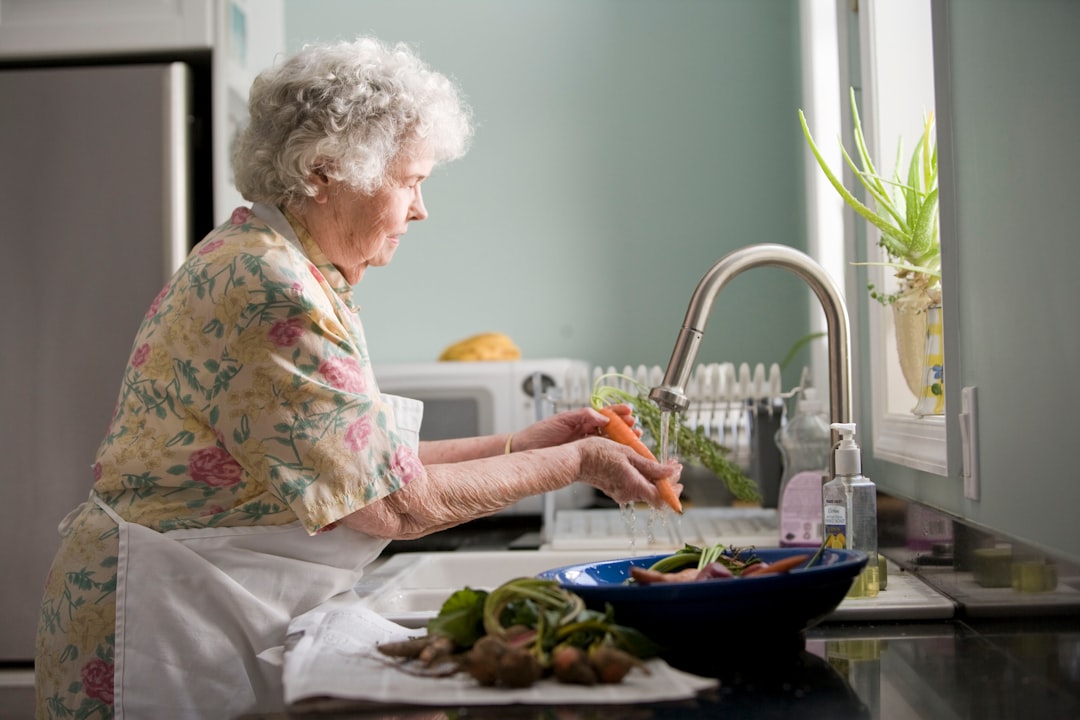
- Cook Together: Cooking together can be a fun and social activity. It's also a great way to teach your loved one how to prepare healthy meals.
- Make it Convenient: Prepare healthy snacks and meals in advance so that they're readily available when hunger strikes. This can help prevent your loved one from reaching for processed foods out of convenience.
- Educate Them: Explain the dangers of processed foods and the benefits of eating a healthy diet. Provide them with resources, such as cookbooks, websites, or nutrition classes.
- Be Patient and Supportive: Changing eating habits takes time and effort. Be patient and supportive, and celebrate small victories along the way.
The Role of Companionship in Healthy Eating
Loneliness and isolation can significantly impact a senior's eating habits. When someone is feeling lonely, they may be less motivated to cook healthy meals and more likely to turn to processed foods for comfort.
Spending time with your loved one, whether in person or through regular phone calls, can make a big difference. Sharing meals together can be a positive and social experience, encouraging them to eat more nutritious foods. Even a quick phone call to check in and offer encouragement can provide a sense of connection and support. There are also phone-based companionship services, like ElderVoice, that offer daily check-ins and conversation to combat loneliness.
It's about creating a supportive environment where healthy eating is encouraged and celebrated.
Frequently asked questions
What are some examples of highly processed foods to avoid?
Foods high in added sugars, salt, and unhealthy fats are generally considered highly processed. Examples include sugary drinks, packaged snacks like chips and cookies, processed meats (bacon, sausage), frozen meals, and instant noodles. Reading the nutrition label and ingredient list is key to identifying these culprits.
How can I convince my parent to eat healthier?
Start by understanding their preferences and concerns. Offer healthier alternatives gradually, involve them in meal planning and preparation, and emphasize the positive benefits of better nutrition, such as increased energy and improved mood. Be patient and supportive, and celebrate small victories.
Are all frozen vegetables healthy?
Frozen vegetables are generally a healthy option, as they retain most of their nutrients. However, be mindful of any added sauces or seasonings, which can increase the sodium and sugar content. Opt for plain frozen vegetables and season them yourself.
What are some affordable healthy food options for seniors on a budget?
Beans, lentils, eggs, and whole grains like oats and brown rice are nutritious and budget-friendly staples. Seasonal fruits and vegetables are often more affordable, and frozen produce is a great alternative when fresh options are limited. Planning meals around these affordable ingredients can help seniors eat healthy without breaking the bank.
It's not just about what they eat; it's about how they eat and the environment around them. My own grandmother always said, "Food tastes better when you share it with someone you love." Maybe that's the secret ingredient we've been missing all along.
How ElderVoice can help your family
ElderVoice makes friendly AI phone calls to your parent for wellness checks, medication reminders, and real conversation — on any phone, with no app or Wi-Fi to set up. Explore our daily check-in calls, or start a free trial today.