"My Dad Has a Friend Again" - Robert's Story
ElderVoice
November 25, 2025
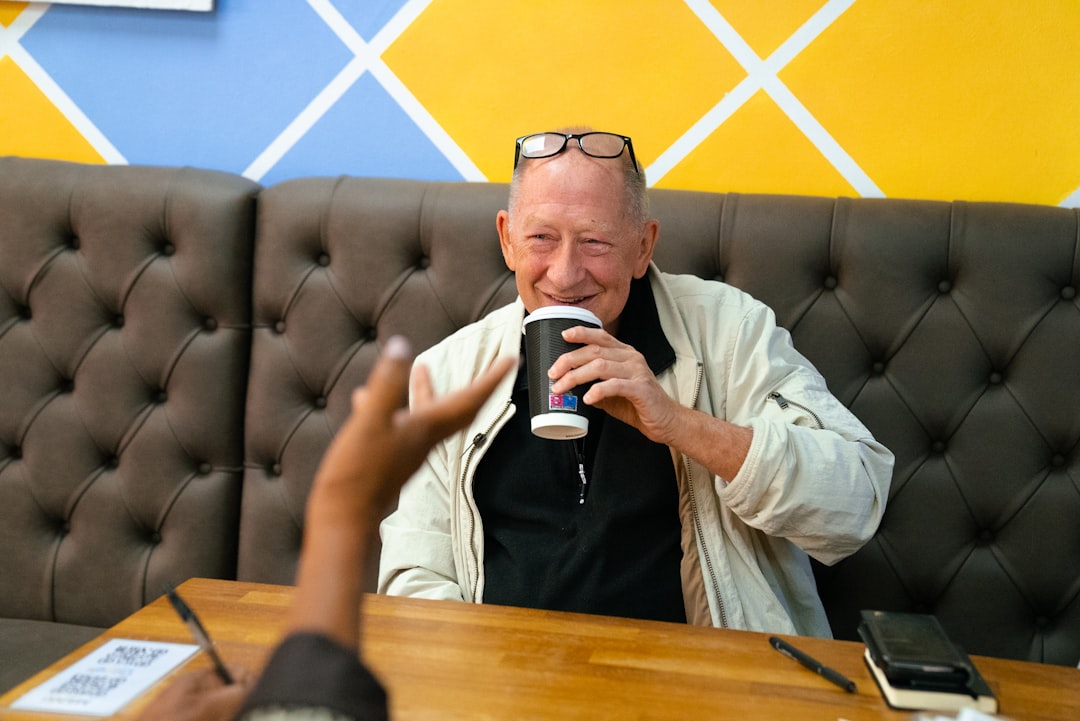
My Dad Has a Friend Again: Robert's Story
Watching a parent age is a unique and often heartbreaking experience. We see the vibrant, independent figures who shaped our lives slowly become more vulnerable, more dependent. But witnessing them lose their spark, their zest for life, that’s a pain unlike any other. I saw that happen to my dad, and it nearly broke me.
My father, Arthur, was a force of nature. A successful architect, a dedicated husband, and the kind of dad who always had time for a game of catch or help with a school project. For 52 years, his life revolved around my mother, Eleanor. They were inseparable, a true partnership built on love, respect, and shared laughter. When she passed away after a brief illness, a part of him went with her. He didn't just grieve; he seemed to…disappear.
After losing his wife of 52 years, my father retreated into silence. The house, once filled with their lively banter and the aroma of Mom’s cooking, became eerily quiet. He stopped going to his weekly coffee group, neglected his garden, and spent most of his days in his armchair, staring blankly at the television. He wasn't eating properly, his health was declining, and his once-sharp mind seemed to be clouding over. I tried everything – cooking his favorite meals, taking him on outings, encouraging him to talk. But nothing seemed to penetrate his grief. It was like he was trapped in a bubble, unable to connect with the world around him.
The Isolation Epidemic: A Harsh Reality for Seniors
What I didn't fully understand at the time was that my dad wasn't just grieving; he was also experiencing profound social isolation. According to the AARP Foundation, social isolation is a growing epidemic among older adults. Studies have shown that prolonged isolation can have devastating effects on both physical and mental health, increasing the risk of heart disease, stroke, depression, and even dementia. The CDC reports that social isolation significantly increases a person's risk of premature death, rivaling the effects of smoking, obesity, and physical inactivity. It's a serious issue, and one that many families struggle with.
I felt helpless, watching my dad fade away. I knew I needed to do something, but I didn't know where to turn. I started researching resources for seniors in our community, desperately searching for a lifeline.
Finding ElderVoice: A Beacon of Hope
That's when I stumbled upon ElderVoice, a local organization dedicated to combating social isolation and promoting well-being among older adults. They offered a range of programs, including group activities, volunteer opportunities, and one-on-one support. What caught my eye was their "Conversation Companions" program, which paired seniors with trained volunteers for regular visits and engaging conversations. It sounded like exactly what my dad needed – a chance to reconnect with another human being, to share his thoughts and feelings without judgment.
I approached the idea cautiously, knowing how resistant my dad had become to any kind of change. To my surprise, he agreed to give it a try. Perhaps a small part of him, buried beneath the grief, still yearned for connection. ElderVoice carefully matched my dad with a volunteer named David, a retired teacher with a gentle demeanor and a genuine interest in people. I was nervous about their first meeting, but I tried to remain optimistic.
A Slow but Steady Transformation
The first few visits were tentative. David would come over for an hour each week, and they would mostly sit in silence, David patiently trying to coax my dad into conversation. I could tell it was an effort for my dad, but he kept showing up. Slowly, almost imperceptibly, things began to change. David started bringing old photos of his own travels, sparking memories in my dad of his own adventures with my mom. They discovered a shared love of classical music, and David started bringing CDs for them to listen to together. He asked my dad about his career as an architect, genuinely interested in his stories and designs.
ElderVoice helped him rediscover his voice and confidence in conversation. One small step at a time, David helped my dad to emerge from his shell. He started talking about my mom again, not with the raw pain of loss, but with a sense of fondness and gratitude for the years they had shared. He even started venturing out of the house again, accompanying David on short walks around the neighborhood.
According to the National Institute on Aging, engaging in meaningful activities and social interaction can significantly improve cognitive function and reduce the risk of age-related decline. I saw this firsthand in my dad. As he became more engaged with David and the world around him, his mind seemed to sharpen, his memory improved, and his overall demeanor became more alert.
My Dad Has a Friend Again
The biggest breakthrough came a few months into their visits. I came to visit one afternoon and found my dad and David sitting on the porch, laughing. Really laughing, the kind of deep, belly laugh I hadn't heard in over a year. It was a sound that warmed my heart and brought tears to my eyes. They were discussing a particularly outlandish bird that had landed in my dad's garden, and their shared amusement was palpable. In that moment, I realized that my dad wasn't just tolerating David's visits; he was enjoying them. He had found a friend again.
David became a regular fixture in my dad's life, visiting several times a week. They went to concerts, museums, and even took a day trip to the coast. My dad started gardening again, tending to his roses with renewed enthusiasm. He rejoined his coffee group and started hosting them at his house, proudly showing off his garden and sharing stories of his adventures with David.
The transformation was remarkable. My dad wasn't the same man he was before my mom passed away, but he was no longer the shadow of a man either. He had found a new purpose, a new connection, and a new appreciation for life. He learned to live with the grief, not to be consumed by it. He learned to embrace the present, to find joy in the small moments, and to cherish the friendships that sustained him.
A study published in the Journal of Gerontology found that strong social connections are associated with increased longevity and a higher quality of life among older adults. My dad's experience is a testament to this finding. By finding a friend and reconnecting with his community, he not only improved his mental and physical health but also extended his life, giving us more precious time together.
A Lesson Learned: The Importance of Connection
My dad's story is a reminder of the profound impact that social isolation can have on older adults, and the transformative power of human connection. If you have an aging parent who is struggling with loneliness, please reach out. There are resources available in your community that can help. Organizations like ElderVoice, senior centers, and volunteer groups can provide companionship, support, and opportunities for engagement. Don't let your parent fade away in silence. Help them rediscover their voice, their purpose, and their zest for life. You won't regret it.
Seeing my dad laugh again, seeing him connect with another person, seeing him find joy in life after such profound loss, that's the greatest gift I could have ever asked for. My dad has a friend again, and for that, I am eternally grateful.
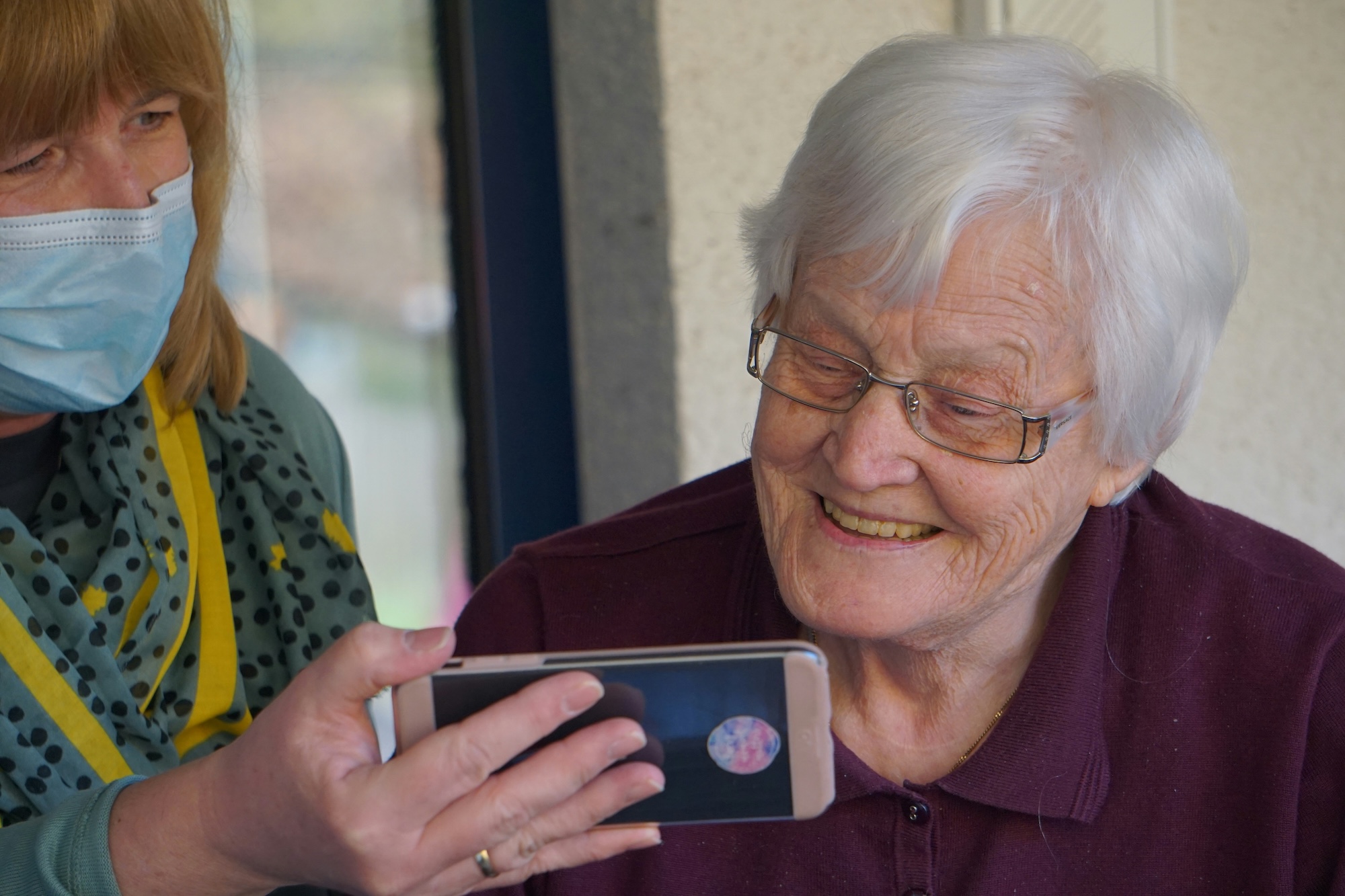

How ElderVoice can help your family
ElderVoice makes friendly AI phone calls to your parent for wellness checks, medication reminders, and real conversation — on any phone, with no app or Wi-Fi to set up. Explore our daily check-in calls, or start a free trial today.