From Recipes to Reminiscence: Building Bridges with Seniors Through Family Food Stories
ElderVoice
February 23, 2026
Key takeaways
- Food memories can be a powerful tool for connecting with seniors, sparking conversations and evoking positive emotions.
- Sharing and discussing family recipes can help seniors with memory loss recall details from the past and maintain a sense of identity.
- Creating new food-related experiences together, like cooking or baking, can build stronger relationships and provide enjoyable moments for both seniors and their caregivers.
It was Thanksgiving, and the air in my aunt’s kitchen hung thick with the scent of roasting turkey, cinnamon, and something vaguely… burnt. My grandma, bless her heart, was ‘helping’ with the gravy, which, as usual, was lumpy and suspiciously gray. But here's the thing: nobody really cared about the gravy. What mattered was Grandma being there, stirring that pot, telling the same story about how her own mother made gravy with coffee (a story that may or may not have been true). That's what Thanksgiving was really about.
We often think of food as fuel, especially when it comes to seniors and their nutritional needs. And yes, making sure our loved ones are eating healthy, balanced meals is important. But food is so much more than just sustenance. It’s tied to our memories, our emotions, and our sense of belonging. Think about it: certain smells can instantly transport you back to childhood. A specific dish might remind you of a beloved relative. These connections are even more potent for seniors, particularly those experiencing memory loss.
Why are food memories so powerful for seniors?
Food memories are often deeply ingrained. They're connected to multiple senses – taste, smell, sight, and touch – which makes them more vivid and enduring. Studies have shown that sensory memories, like those associated with food, can be less affected by age-related cognitive decline compared to other types of memories. That’s a big deal.
Think about it this way: even if someone struggles to remember what they had for breakfast this morning, they might still vividly recall the taste of their grandmother's apple pie or the aroma of their mother's Sunday roast. These deeply rooted food memories can act as powerful triggers, unlocking conversations and sparking joy. They can provide a sense of comfort and familiarity, which is especially important for seniors who may be feeling disoriented or anxious.
How can I use food stories to connect with my elderly parent?
The key is to approach it with curiosity and a genuine interest in their experiences. Don't just ask, "Do you remember this?" Instead, try open-ended questions that encourage them to share details and stories. A good start could be to ask about their favorite dishes growing up, or meals prepared during their youth. Here are some practical tips:
- Start with the senses: Instead of asking a direct question, try describing a specific smell or taste. For example, “Mom, I was just making a pot roast, and the smell reminded me of your kitchen when I was a kid. What was your favorite thing to cook back then?”
- Look through old cookbooks together: Dust off those vintage cookbooks and browse through the recipes. The names of the dishes, the ingredients, and even the handwritten notes in the margins can spark memories and conversations. My own mother had a Betty Crocker cookbook from the 1950s that's falling apart, and it's full of gems.
- Ask about holiday traditions: Holidays are often centered around food, so asking about specific holiday meals and traditions can be a great way to unlock memories. "What was your favorite Thanksgiving dish growing up?" or "What special treats did your family make for Christmas?" are great conversation starters.
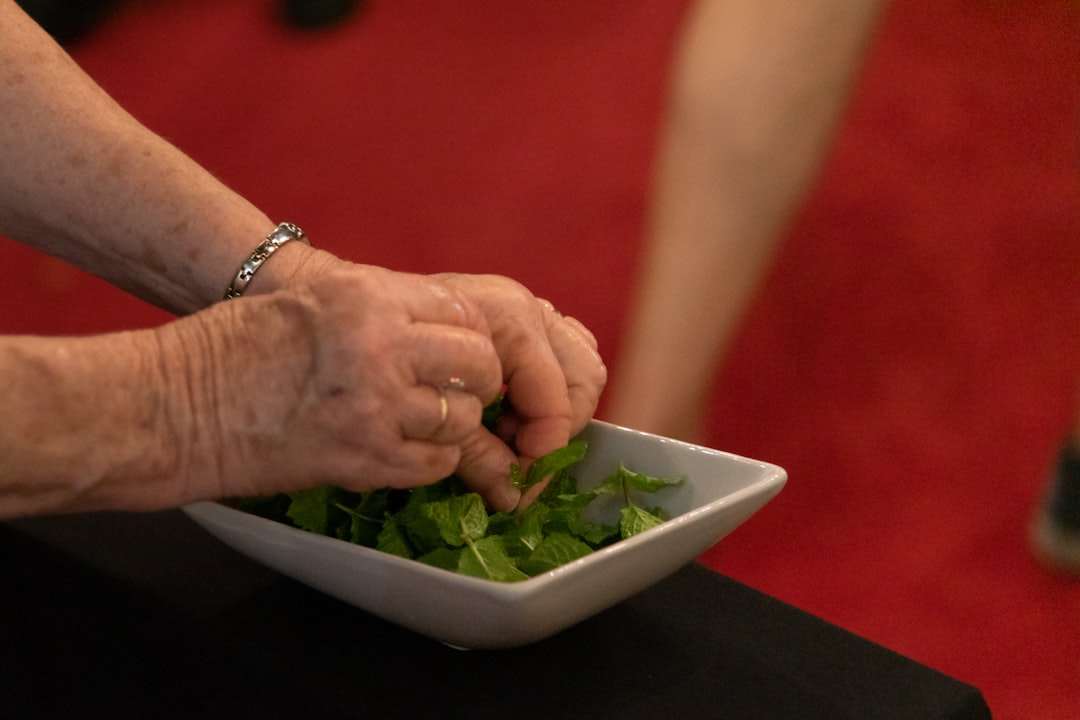
- Cook or bake together: If your loved one is able, involve them in the cooking or baking process. Even simple tasks like stirring batter or setting the table can be meaningful and therapeutic. Plus, the act of creating something together can strengthen your bond and create new memories. Just be patient and adapt to their abilities.
- Create a family recipe book: Gather family recipes and stories and compile them into a special book. Include photos, handwritten notes, and personal anecdotes to make it even more meaningful. This can be a wonderful keepsake for future generations as well.
What if my parent has memory loss or dementia? Will this still work?
Even with memory loss, food memories can still be surprisingly accessible. The key is to be patient, understanding, and flexible. Don't expect them to remember everything perfectly. Focus on creating a positive and enjoyable experience, rather than trying to extract specific information. Here's what to keep in mind:
- Keep it simple: Focus on familiar and comforting foods. Avoid complex or unfamiliar dishes that might be confusing or overwhelming.
- Use sensory cues: Engage all the senses. Play music that they enjoyed in the past, use familiar dishes and utensils, and create a warm and inviting atmosphere.
- Be patient and repetitive: It may take time and repeated exposure to trigger memories. Don't get discouraged if they don't remember something right away. Keep trying, and be patient.
- Focus on the present moment: Even if they don't remember specific details, the act of sharing a meal together can be a positive and enjoyable experience. Focus on creating a sense of connection and belonging.
- Adapt as needed: As their condition progresses, you may need to adapt your approach. Focus on providing comfort and support, rather than trying to elicit specific memories.
Building a Food Timeline: A Memory Lane Journey
Creating a food timeline can be an engaging activity for seniors, especially those with memory challenges. It involves charting significant food-related events or meals throughout their life, sparking memories and conversations. Here's a simple table structure to help you build one:
| Decade of Life | Significant Food Event/Meal | Associated Memories/Stories |
|---|---|---|
| Childhood (1940s-1950s) | Sunday Dinners at Grandma's house | The smell of roasting chicken, the sound of family laughter, Grandma's special apple pie recipe... |
| Young Adulthood (1960s-1970s) | First date at the local diner | Sharing a milkshake with my sweetheart, the jukebox playing our song, the nervous excitement... |
| Middle Age (1980s-1990s) | Annual family barbecue | Grilling burgers with my kids, the smell of charcoal, the water balloon fights... |
| Later Years (2000s-Present) | Thanksgiving with the whole family | The joy of seeing everyone together, the delicious feast, the feeling of gratitude... |
This timeline can be personalized with photos, recipes, and other mementos. It's a wonderful way to trigger memories and encourage your loved one to share their stories.
What are some specific questions I can ask to spark food memories?
Here are a few questions you can ask:
- What's your earliest food memory?
- What was your favorite meal as a child?
- Did you have any special family traditions around food?
- What's the most memorable meal you've ever had?
- What's your favorite thing to cook or bake?
- Are there any foods that remind you of a specific person or place?
- What's your favorite comfort food?
And don't forget to listen carefully to their responses. You never know what interesting stories and memories they might share.
Even just talking about pantry staples can trigger powerful reminiscence.Beyond Memory Lane: The Practical Benefits of Food-Related Activities
While the emotional and social benefits of sharing food stories are undeniable, there are also practical advantages to incorporating food-related activities into your loved one's care routine. For seniors who are losing their appetite, reminiscing about favorite foods can stimulate their interest in eating. Talking about a beloved dish might encourage them to try a few bites, even if they haven't been feeling hungry. This can be especially helpful for seniors with dementia, who may struggle to communicate their needs and preferences.
Additionally, engaging in simple cooking or baking tasks can provide a sense of purpose and accomplishment. Even if they can't handle complex recipes, they might enjoy helping with tasks like washing vegetables, stirring ingredients, or decorating cookies. These activities can help them maintain their fine motor skills and cognitive function. Just be sure to adapt the tasks to their abilities and provide plenty of supervision.
There are also AI companions for seniors that can offer supportive conversations, and perhaps even engage in simple recipe discussions. For instance, while ElliQ offers tablet-based interaction, ElderVoice delivers daily phone calls to seniors for check-ins and friendly chats, creating a proactive and accessible way to connect. Just having a familiar voice on the phone can do wonders.
How can I handle difficult emotions that might arise during these conversations?
It's important to be prepared for the possibility that difficult emotions might surface during these conversations. Food memories can be closely tied to significant life events, both positive and negative. Your loved one might recall happy memories of family gatherings, but they might also remember times of hardship or loss. If they become upset or agitated, it's important to be patient and understanding. Here are a few tips:
- Acknowledge their feelings: Let them know that it's okay to feel sad or angry. Don't try to dismiss their emotions or tell them to cheer up.
- Listen without judgment: Let them express their feelings without interruption. Don't try to offer solutions or advice unless they specifically ask for it.
- Offer comfort and support: Hold their hand, give them a hug, or simply sit with them in silence. Sometimes, just knowing that you're there for them is enough.
- Change the subject if necessary: If they become too upset, gently change the subject to something more positive. You can try asking about a different memory or activity.
- Seek professional help if needed: If their emotions are consistently overwhelming or interfering with their daily life, consider seeking professional help from a therapist or counselor.
We've seen families create amazing connections with loved ones using a variety of innovative resources. Maybe it's using Alexa to help with daily tasks, or starting a genealogy project to uncover family history.
Frequently asked questions
Why are food memories so strong?
Food memories are strongly linked to our senses of taste, smell, and touch, creating a more vivid and lasting impression in our brains. These sensory experiences are often tied to emotions and significant life events, further strengthening the memory.
What if my loved one can't remember specific details?
Even if they can't recall specific details, the act of sharing a meal or discussing food can still be a positive and enjoyable experience. Focus on creating a sense of connection and belonging, rather than trying to extract specific information.
How can I adapt food-related activities for seniors with physical limitations?
Adapt activities to their abilities. For example, instead of cooking an entire meal, they might help with simple tasks like washing vegetables or stirring ingredients. Ensure the environment is safe and comfortable for them to participate.
What if my loved one has lost their appetite?
Reminiscing about favorite foods can sometimes stimulate their appetite. Try discussing dishes they enjoyed in the past or involving them in preparing a simple meal. Consult with a doctor or registered dietitian for additional support and advice.
Are there any potential risks to consider?
Be mindful of any dietary restrictions or allergies your loved one may have. Avoid foods that are difficult to chew or swallow. Ensure the food is prepared safely and hygienically to prevent foodborne illness.
Food stories aren't just about what we eat. They’re about who we are, where we come from, and the people we love. So, pull up a chair, grab a cup of coffee (or maybe some gravy made with coffee, if that's your thing), and start sharing those stories. You might be surprised at what you discover. It's about the moments, the connection, and the shared humanity that nourishes our souls, long after the last bite is taken.
How ElderVoice can help your family
ElderVoice makes friendly AI phone calls to your parent for wellness checks, medication reminders, and real conversation — on any phone, with no app or Wi-Fi to set up. Explore our dementia & memory-care companion calls, or start a free trial today.