Declutter Your Diet: Spring Cleaning Your Pantry for Senior Health
ElderVoice
May 11, 2026
Key takeaways
- Decluttering the pantry can simplify food choices and encourage healthier eating habits for seniors.
- Safe food storage is especially important for seniors to prevent foodborne illnesses, which can be more severe in older adults.
- Small, manageable steps can make a big difference in creating a pantry that supports senior health and independence.
It's spring, and the urge to freshen things up is in the air. We open the windows, dust off the shelves, maybe even rearrange the furniture. But what about the pantry? Often overlooked, it’s a central hub for our daily nutrition, and spring is the perfect time to give it some much-needed attention, especially when it comes to supporting the health of seniors.
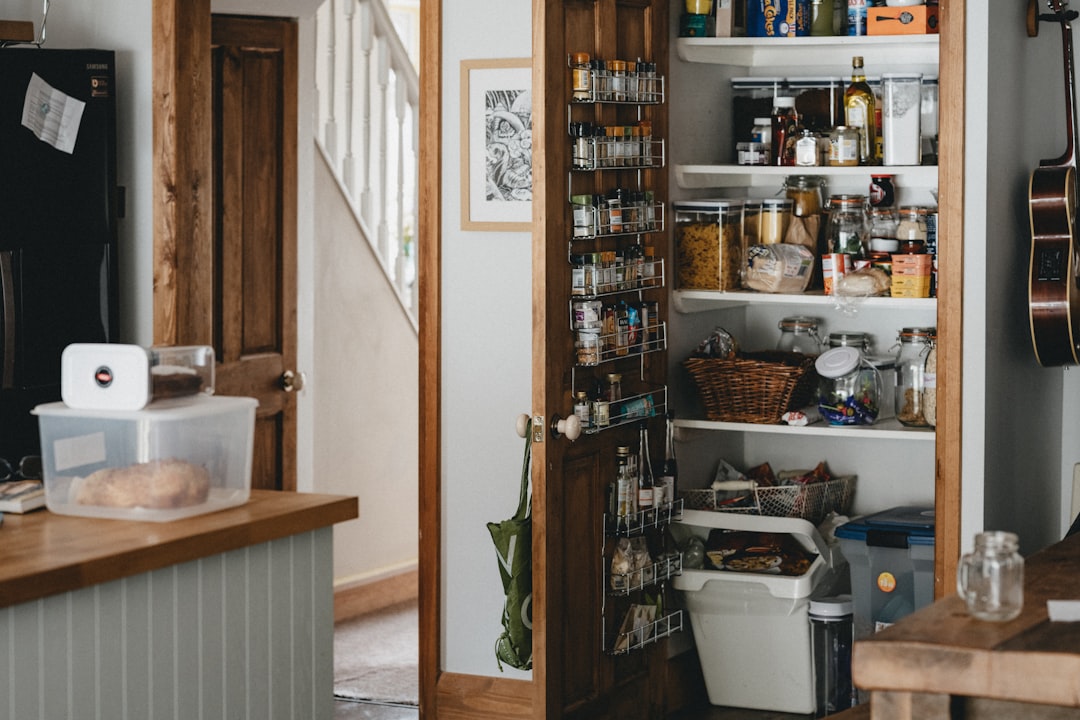
Think of it this way: a cluttered pantry is like a cluttered mind. It's overwhelming, confusing, and makes it harder to make good choices. For seniors, who may already be dealing with changing appetites, medication side effects, or mobility challenges, a well-organized pantry can be a game-changer. It can empower them to take control of their diet and make healthy eating easier and more enjoyable.
Why a Senior Pantry Clean Out Matters
A pantry clean out isn't just about aesthetics; it's about health and well-being. Here's why it's so important for seniors:
- Simplified Choices: A less cluttered pantry means fewer decisions to make, which can be a relief for someone experiencing cognitive decline or simply feeling overwhelmed.
- Reduced Temptation: Out of sight, out of mind. Removing unhealthy snacks and processed foods reduces the temptation to reach for them.
- Increased Awareness: Taking stock of what's on hand can reveal gaps in the diet and highlight the need for more nutritious options.
- Safer Food Storage: Proper organization helps ensure that food is stored correctly, reducing the risk of spoilage and foodborne illness. According to the Consumer Reports, seniors are at a higher risk for foodborne illnesses, so safe food handling is key.
How to Declutter the Pantry: A Step-by-Step Guide
Okay, so where do we start? It might seem daunting, but breaking it down into manageable steps makes it much less overwhelming.
- Empty Everything: Take everything out of the pantry. Yes, everything. This gives you a clear view of what you have and forces you to handle each item.
- Check Expiration Dates: This is non-negotiable. Toss anything that's past its expiration date. Don't rely on "best by" dates – when in doubt, throw it out. Expired food can harbor bacteria and pose a serious health risk, especially for seniors.
- Assess What’s Left: Group similar items together (canned goods, snacks, baking supplies, etc.). This will help you see what you have in abundance and what you're lacking.
- Identify Unhealthy Items: Be honest with yourself. Are there sugary cereals, processed snacks, or high-sodium canned goods that aren't serving your health? Consider donating these items to a local food bank if they're still good.
- Clean the Pantry: Wipe down the shelves with a damp cloth and mild soap. This is a good opportunity to line the shelves with fresh shelf paper if desired.
- Organize Strategically:
- Accessibility: Place frequently used items at eye level and within easy reach. Seniors with mobility issues may need lower shelves.
- Visibility: Use clear containers so you can easily see what's inside. Label everything clearly.
- Grouping: Keep similar items together. For example, designate a shelf for breakfast items, one for snacks, and one for dinner ingredients.
- First In, First Out (FIFO): When restocking, place older items in front of newer ones to ensure that you use them first.
- Restock with Healthy Options: This is where the real fun begins! Fill your pantry with nutritious foods that support senior health.
What are Some Healthy Pantry Staples for Seniors?
Here are some ideas to get you started:
- Whole Grains: Oatmeal, brown rice, quinoa, whole-wheat pasta, and whole-grain bread provide fiber and sustained energy.
- Canned Goods: Canned beans, lentils, tuna, salmon, and vegetables are convenient and affordable sources of protein and nutrients. Choose low-sodium options whenever possible.
- Nuts and Seeds: Almonds, walnuts, chia seeds, and flaxseeds are packed with healthy fats, protein, and fiber. They make great snacks or additions to meals.
- Dried Fruit: Raisins, apricots, and cranberries are a good source of vitamins, minerals, and fiber. Choose unsweetened varieties.
- Healthy Oils: Olive oil, avocado oil, and coconut oil are good sources of healthy fats for cooking and dressings.
- Spices and Herbs: Stock up on a variety of spices and herbs to add flavor to your meals without adding salt or sugar.
- Protein Powders: Whey, soy, pea, brown rice and blends are available to boost protein intake.
| Food Group | Healthy Options | Less Healthy Options (to Limit or Avoid) |
|---|---|---|
| Grains | Whole grains (oatmeal, brown rice, quinoa), whole-wheat bread | Refined grains (white bread, pastries, sugary cereals) |
| Proteins | Canned tuna/salmon (low sodium), beans, lentils, nuts, seeds | Processed meats (sausage, bacon), high-sodium canned meats |
| Fruits & Vegetables | Canned fruits (in juice, not syrup), canned vegetables (low sodium), dried fruit (unsweetened) | Canned fruits in heavy syrup, vegetables with added salt |
| Snacks | Nuts, seeds, air-popped popcorn, whole-grain crackers | Chips, cookies, candy, sugary granola bars |
| Oils & Fats | Olive oil, avocado oil, nuts, seeds | Butter, lard, shortening |
Safe Food Storage: A Must for Senior Health
Food safety is always important, but it's especially critical for seniors. Their immune systems may not be as strong as they used to be, making them more vulnerable to foodborne illnesses. Here are some essential tips for safe food storage:
- Refrigerate Promptly: Don't leave perishable foods at room temperature for more than two hours (or one hour if the temperature is above 90°F). This includes cooked meats, poultry, seafood, dairy products, and cut fruits and vegetables.
- Store Food at Safe Temperatures: The refrigerator should be set at 40°F or below, and the freezer at 0°F or below. Use a refrigerator thermometer to monitor the temperature.
- Cook Foods to Safe Internal Temperatures: Use a food thermometer to ensure that meat, poultry, and seafood are cooked to safe internal temperatures. You can find a detailed chart on the FoodSafety.gov website.
- Prevent Cross-Contamination: Keep raw meats, poultry, and seafood separate from cooked foods and ready-to-eat foods. Use separate cutting boards and utensils for raw and cooked foods.
- Store Food Properly: Store food in airtight containers to prevent contamination and spoilage. Use clear containers so you can easily see what's inside.
- Check for Recalls: Stay informed about food recalls by signing up for email alerts from the FDA. A recent article in Allrecipes highlighted the importance of proper food storage to avoid common mistakes and keep ingredients fresh longer.
Adapting the Pantry for Specific Needs
Every senior is different, and their dietary needs and physical abilities will vary. Here are some things to consider when adapting the pantry:
- Diabetes: Focus on low-sugar and low-carbohydrate options. Stock up on non-starchy vegetables, lean proteins, and healthy fats.
- Heart Health: Choose low-sodium and low-fat options. Avoid processed foods and saturated fats. A recent article in The National Council on Aging (NCOA) highlighted the various benefits programs that can help older adults reduce monthly expenses, including those related to food.
- Swallowing Difficulties (Dysphagia): Opt for soft, easy-to-swallow foods like canned fruits, yogurt, and pureed vegetables. Avoid dry, crunchy foods. (See also: The Sunshine Vitamin & Swallowing Difficulties: Maximizing Vitamin D Absorption in Seniors)
- Arthritis: Use jar openers and other assistive devices to make it easier to open containers. Consider using pre-cut vegetables and fruits to reduce prep time.
- Vision Impairment: Use large-print labels and organize the pantry in a consistent manner so it's easy to find things.
The Mental Benefits of an Organized Space
Beyond the physical health benefits, a decluttered and organized pantry can also have a positive impact on mental well-being. A clean, organized space can reduce stress, improve focus, and boost mood. It can also give seniors a sense of control and independence, which is especially important as they age. As Antoni Porowski, the 'Queer Eye' chef, recently shared with Homes and Gardens, you should "Don't Organize Your Kitchen in an Aspirational Way."
If you're a caregiver managing care from a distance, it can be hard to know how your loved one is doing. A well-stocked, organized pantry can be a sign that they're eating well and taking care of themselves. And if you're concerned about their well-being, consider options like ElderVoice, which provides daily phone check-ins, medication reminders, and wellness monitoring. It's a simple way to stay connected and ensure they're getting the support they need.
Ultimately, spring cleaning your pantry for senior health is about more than just organizing food. It's about creating an environment that supports their physical and mental well-being, empowers them to make healthy choices, and helps them maintain their independence.
"The secret of change is to focus all of your energy, not on fighting the old, but on building the new." — Socrates
Frequently asked questions
How often should I clean out my pantry?
Ideally, you should aim to do a thorough pantry clean out at least twice a year – in the spring and fall. However, it's a good idea to do a quick check every month to remove any expired or spoiled items.
What's the best way to store food in the pantry?
Store food in airtight containers to prevent contamination and spoilage. Use clear containers so you can easily see what's inside, and label everything clearly with the name of the item and the expiration date.
What are some signs that food has gone bad?
Look for signs like changes in color, texture, or odor. Canned goods should be free of dents, bulges, or leaks. If you're unsure, it's always best to err on the side of caution and throw it out.
How can I make my pantry more accessible for seniors with mobility issues?
Place frequently used items at eye level and within easy reach. Use lower shelves for heavier items. Consider using assistive devices like jar openers and reachers to make it easier to access items.
What if my loved one is resistant to decluttering the pantry?
Approach the situation with empathy and understanding. Explain the benefits of a clean and organized pantry for their health and well-being. Offer to help them with the process and involve them in making decisions about what to keep and what to donate.
How ElderVoice can help your family
ElderVoice makes friendly AI phone calls to your parent for wellness checks, medication reminders, and real conversation — on any phone, with no app or Wi-Fi to set up. Explore our daily check-in calls, or start a free trial today.
Sources
- How to Prevent Food Poisoning (2015)
- Food Safety Charts | Safe Minimum Internal Temperatures (2024)
- Recalls, Market Withdrawals, & Safety Alerts (2024)
- The One Dangerous Mistake You're Making With Your Slow Cooker (2026)
- Chefs Say You’re Storing Food Wrong—Shop Their Storage Recommendations for Meat, Dairy, and More (2026)
- 'Don't Organize Your Kitchen in an Aspirational Way' – Antoni Porowski Shares His Most Surprising Kitchen Storage Tips (2026)
- Benefits Programs That Can Help Older Adults Reduce Monthly Expenses (2026)