The Sunshine Vitamin & Swallowing Difficulties: Maximizing Vitamin D Absorption in Seniors
ElderVoice
May 8, 2026
Key takeaways
- Many older adults are deficient in Vitamin D, impacting bone health, immunity, and overall well-being.
- Age-related changes and swallowing difficulties (dysphagia) can hinder Vitamin D absorption from food and supplements.
- Specific strategies like liquid supplements, fortified foods, and timing with meals can help optimize Vitamin D uptake in seniors.
It was last fall, and my aunt Carol, who's 82, had just been diagnosed with osteoporosis. The doctor immediately recommended Vitamin D, but Carol has always had a hard time swallowing pills. She’d even choked a couple of times, which scared her, and scared us. It made me realize that just knowing someone needs a vitamin isn't enough. You have to figure out how they're actually going to get it, safely and effectively.
Vitamin D, often called the "sunshine vitamin," is more than just a supplement; it's a key player in maintaining bone health, supporting the immune system, and even influencing mood. But what happens when age, medical conditions, or swallowing difficulties throw a wrench into the works? Let's explore how to ensure our loved ones get the Vitamin D they need, even when facing these challenges.
Why is Vitamin D So Important for Seniors?
As we age, our bodies become less efficient at producing Vitamin D from sunlight and absorbing it from food. This can lead to a deficiency, which, according to the National Institutes of Health, is surprisingly common in older adults. (NIH). This deficiency isn't just a minor inconvenience; it can have real consequences.
Here's why Vitamin D is so vital for seniors:
- Bone Health: Vitamin D helps the body absorb calcium, which is essential for strong bones. Deficiency increases the risk of osteoporosis and fractures. Think of it as the mortar that holds the bricks (calcium) of your bones together.
- Immune Function: Vitamin D plays a role in regulating the immune system, helping to protect against infections. A strong immune system is especially important as we get older. It's like having an extra layer of defense against those nasty colds that seem to linger longer with age.
- Muscle Strength: Adequate Vitamin D levels contribute to muscle strength and function, reducing the risk of falls. Falls are a leading cause of injury in older adults, so anything that helps maintain muscle strength is a win.
- Mood Regulation: Some studies suggest a link between Vitamin D deficiency and depression, particularly in older adults. A little sunshine (and Vitamin D) can go a long way in boosting spirits.
Why is Vitamin D Absorption Difficult for Some Seniors?
Okay, so we know Vitamin D is important. But here's the kicker: getting enough isn't always straightforward, especially for seniors. Several factors can interfere with Vitamin D absorption:
- Age-Related Changes: As we get older, our skin's ability to synthesize Vitamin D from sunlight decreases. Our kidneys, which help convert Vitamin D into its active form, may also become less efficient. It's just part of the aging process, unfortunately.
- Reduced Sun Exposure: Many seniors spend more time indoors, limiting their exposure to sunlight. This could be due to mobility issues, health conditions, or simply a preference for staying comfortable inside.
- Dietary Factors: Some seniors may have limited diets or difficulty absorbing nutrients from food. This can be due to decreased appetite, dental problems, or underlying medical conditions.
- Medication Interactions: Certain medications, such as steroids and some cholesterol-lowering drugs, can interfere with Vitamin D absorption. Always check with a doctor or pharmacist about potential interactions.
- Swallowing Difficulties (Dysphagia): This is a big one. Dysphagia, or difficulty swallowing, affects a significant number of older adults. It can make taking pills, including Vitamin D supplements, challenging and even dangerous. According to the National Foundation of Swallowing Disorders, dysphagia affects as many as 1 in 25 adults in the US. (National Foundation of Swallowing Disorders). And that's a big deal.
How Can You Tell if Someone is Vitamin D Deficient?
Often, Vitamin D deficiency doesn't cause obvious symptoms, especially at first. That's why it's important to be aware of the possible signs, particularly in older adults:
- Frequent Infections: A weakened immune system can lead to more frequent colds, flu, or other infections.
- Fatigue and Weakness: Feeling tired and weak, even after adequate rest, can be a sign of Vitamin D deficiency.
- Bone Pain: Aches and pains in the bones, especially in the back, hips, or legs, may indicate a problem.
- Muscle Weakness: Difficulty getting up from a chair, climbing stairs, or performing other physical tasks can be a symptom.
- Slow Wound Healing: Vitamin D plays a role in wound healing, so slow healing can be a clue.
- Mood Changes: Depression or anxiety may be linked to low Vitamin D levels.
What are the Best Ways to Optimize Vitamin D Absorption in Seniors?
Okay, let's get down to brass tacks. How do we actually help seniors absorb Vitamin D, especially those with swallowing difficulties? Here are some practical strategies:
- Liquid Vitamin D Supplements: These are often easier to swallow than pills, and some can be mixed with food or drinks. Look for a brand that uses a dropper for accurate dosing. I remember Carol's doctor specifically recommending a liquid form. It made a huge difference for her.
- Chewable Vitamin D Supplements: If swallowing liquids is also a problem, chewable supplements might be a good option. Make sure they don't contain added sugar, which can be a concern for seniors with diabetes.
- Fortified Foods: Many foods are fortified with Vitamin D, including milk, yogurt, cereal, and orange juice. Check the labels to see how much Vitamin D they contain. Small changes can add up. Consider swapping regular milk for Vitamin D-fortified milk.
- Vitamin D-Rich Foods: Incorporate naturally Vitamin D-rich foods into the diet, such as fatty fish (salmon, tuna, mackerel), egg yolks, and beef liver. These are great options, but portion size and frequency are important. Eating salmon twice a week is a good start.
- Timing with Meals: Vitamin D is a fat-soluble vitamin, meaning it's best absorbed when taken with a meal containing fat. Encourage your loved one to take their supplement with breakfast, lunch, or dinner.
- Consider Vitamin K2: Vitamin D works best when paired with Vitamin K2, which helps direct calcium to the bones and teeth, rather than the arteries. Some supplements combine Vitamin D and K2, which can be convenient.
- Optimize Gut Health: A healthy gut is essential for nutrient absorption. Encourage a diet rich in fiber, probiotics, and prebiotics to support gut health. Fermented foods like yogurt and kefir can be beneficial.
- Sunlight Exposure (Safely): Encourage safe sun exposure when possible. Even 15-20 minutes of sunlight on the face and arms a few times a week can help boost Vitamin D production. But remember to protect the skin with sunscreen if spending more time outdoors. If you're helping your loved one outside, try to find a time in the early morning or late afternoon when the sun isn't as strong.
- Consult with a Doctor or Registered Dietitian: This is essential. A healthcare professional can assess your loved one's individual needs and recommend the appropriate dose of Vitamin D. They can also check for any potential medication interactions or underlying health conditions that may affect absorption.
| Supplement Type | Pros | Cons | Considerations |
|---|---|---|---|
| Liquid | Easy to swallow, easily adjustable dosage | Taste can be unpleasant for some, requires accurate measuring | Mix with juice or smoothie to mask taste |
| Chewable | Good for those who dislike swallowing pills or liquids | May contain added sugar, not suitable for everyone | Check sugar content, ensure good dental hygiene |
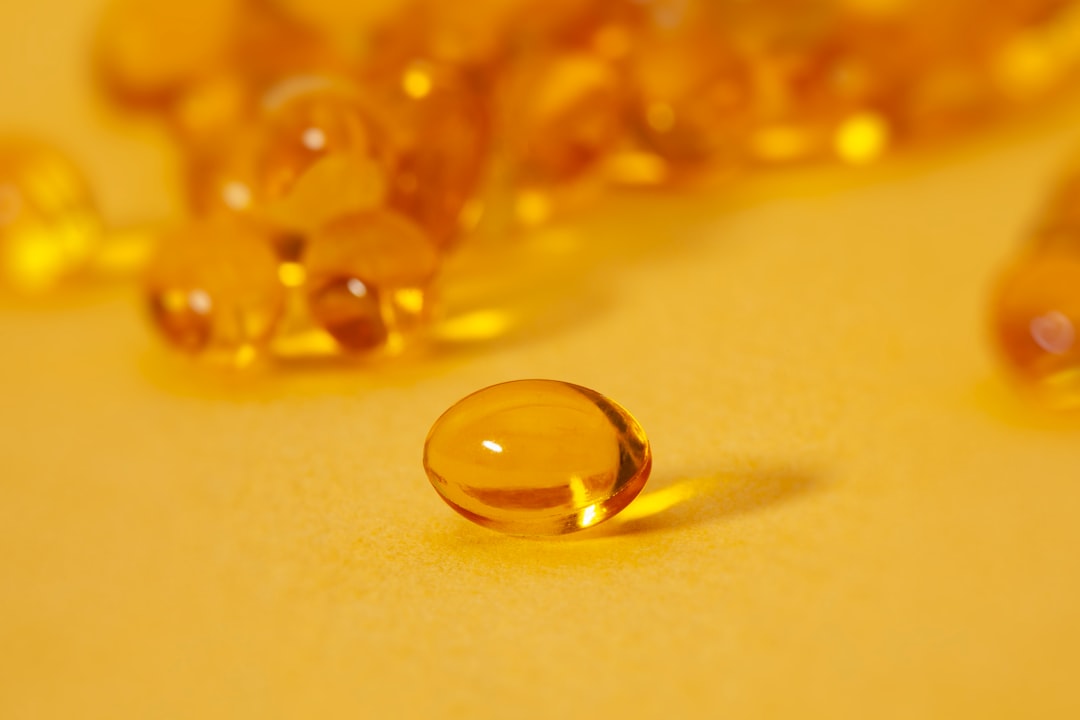
| Softgels | Easy to swallow for some, often contain Vitamin K2 | May be difficult for those with severe dysphagia, risk of choking | Take with plenty of water, consider smaller sizes |
Remember that finding the right approach may take some trial and error. Patience and open communication with your loved one and their healthcare team are key.
How Can Caregivers Support Vitamin D Intake?
As a caregiver, you play a vital role in ensuring your loved one gets enough Vitamin D. Here are some ways you can help:
- Monitor Food Intake: Keep track of what your loved one is eating to ensure they're getting enough Vitamin D-rich and fortified foods.
- Prepare Easy-to-Swallow Meals: If your loved one has dysphagia, focus on soft, moist foods that are easy to swallow. Pureed fruits and vegetables, yogurt, and smoothies are good options. /blog/senior-food-swaps-spring-nutrition
- Administer Supplements Correctly: Follow the doctor's instructions carefully when administering Vitamin D supplements. Make sure your loved one can swallow the supplement safely and comfortably.
- Create a Routine: Establishing a daily routine for taking supplements can help ensure consistency. Set a reminder on your phone or use a pill organizer.
- Advocate for Your Loved One: Don't be afraid to speak up to healthcare professionals if you have concerns about your loved one's Vitamin D levels or swallowing difficulties. Be their voice and advocate for their needs.
What About Other Nutrients?
While we're focusing on Vitamin D, it's important to remember that it's just one piece of the puzzle. A balanced diet rich in all essential nutrients is crucial for overall health and well-being. Don't forget about calcium, protein, fiber, and other vitamins and minerals that play a vital role in maintaining health as we age. A recent article in SciTechDaily highlighted new research showing that Vitamin B12 may hold the key to healthy aging. (SciTechDaily)
"The best and most beautiful things in the world cannot be seen or even touched - they must be felt with the heart." — Helen Keller
Helping a loved one get enough Vitamin D, especially when they have challenges like dysphagia, requires patience, creativity, and a willingness to adapt. By understanding the importance of Vitamin D, recognizing the barriers to absorption, and implementing practical strategies, you can make a real difference in their health and well-being. And remember, it's not just about the vitamins; it's about the love and care you provide along the way.
Frequently asked questions
What is the best time of day to take Vitamin D?
Vitamin D is best absorbed when taken with a meal that contains fat. This could be breakfast, lunch, or dinner, depending on your loved one's preference and routine. Consistency is key, so choose a time that is easy to remember and stick to.
How much Vitamin D do seniors need?
The recommended daily allowance (RDA) of Vitamin D for adults over 70 is 800 IU (International Units). However, some individuals may need more, especially if they are deficient or have certain medical conditions. It's best to consult with a doctor to determine the appropriate dose.
Can you get too much Vitamin D?
Yes, it is possible to get too much Vitamin D, although it is rare. Excessive Vitamin D intake can lead to a buildup of calcium in the blood, which can cause nausea, vomiting, weakness, and frequent urination. It's important to stick to the recommended dose and consult with a doctor if you have any concerns.
What are some easy-to-swallow foods that are high in Vitamin D?
Soft, moist foods like yogurt, pudding, mashed sweet potatoes, and scrambled eggs can be good sources of Vitamin D. You can also add Vitamin D-fortified milk or juice to smoothies for an extra boost. Remember to consult with a doctor to determine the appropriate dose.
How can I convince my parent to take Vitamin D supplements?
Start by explaining the importance of Vitamin D for their health in a clear and simple way. Address any concerns they may have about swallowing or side effects. Offer different forms of supplements to find one that is easy for them to take. If they are still hesitant, involve their doctor in the conversation.
How ElderVoice can help your family
ElderVoice makes friendly AI phone calls to your parent for wellness checks, medication reminders, and real conversation — on any phone, with no app or Wi-Fi to set up. Explore our medication reminder calls, or start a free trial today.
Sources
- National Institutes of Health (NIH) (Unknown)
- National Foundation of Swallowing Disorders (Unknown)
- The Eastern Herald (2026)
- SciTechDaily (2026)
- AARP (2024)