Soup's On! Rethinking Soup as a Nutrient-Packed Powerhouse for Seniors with Diminished Appetite
ElderVoice
February 28, 2026
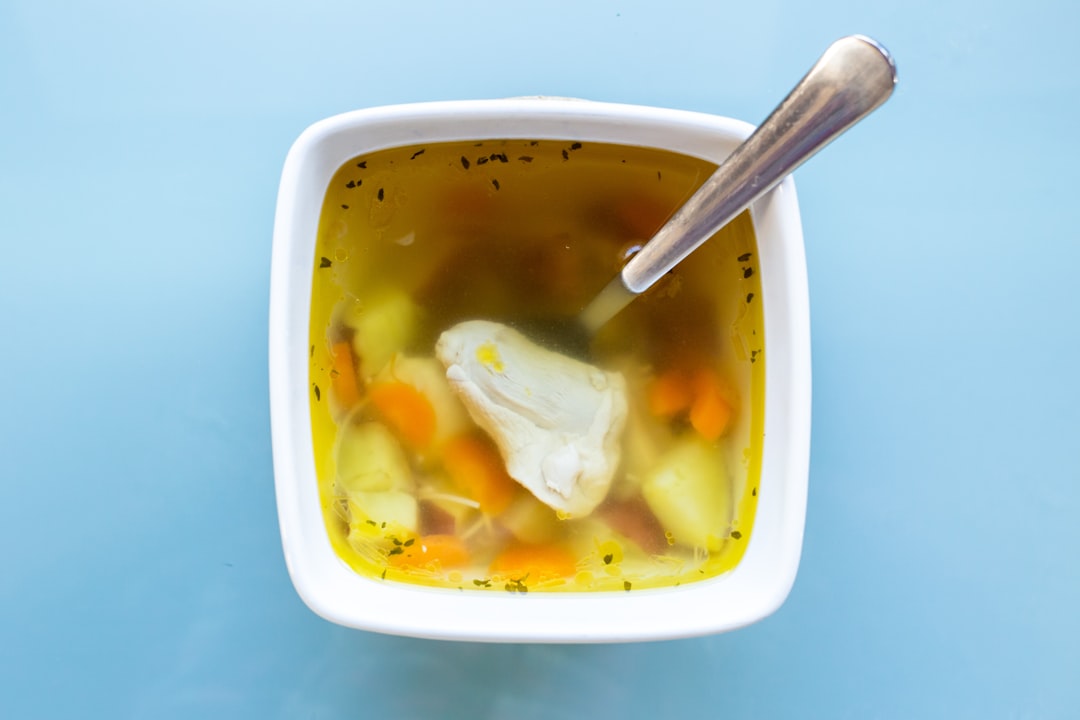
Key takeaways
- Soup is an easily customizable and nutrient-dense meal option for seniors with diminished appetite or chewing difficulties.
- Focus on broths rich in electrolytes and protein-packed ingredients like lentils, beans, and shredded chicken to address common senior health concerns.
- Simple adjustments to texture and flavor can make soup more appealing and easier to consume for seniors experiencing taste changes or swallowing issues.
It was a Tuesday, and I was on the phone with my mom, Sarah. She was worried sick about her own mother, Helen, who’s 82. “She just isn’t eating, you know?” she said, her voice tight with concern. “I made her favorite pot roast, and she barely touched it. All she wants is… soup.”
Soup. It often gets a bad rap. We think of it as something you eat when you're sick, or a last resort when nothing else sounds appealing. But what if we could reframe soup? What if it wasn't just a bland liquid, but a customizable, nutrient-packed powerhouse, especially beneficial for seniors struggling with appetite or chewing difficulties?
Turns out, it can be. For many seniors, soup offers a comforting and accessible way to maintain their nutritional intake. And for caregivers, it can be a less stressful way to ensure your loved one is getting what they need.
Why Soup is a Great Choice for Seniors
There are several compelling reasons why soup is an excellent option for seniors, especially those experiencing diminished appetite or difficulty chewing:
- Easy to Eat: Soup requires minimal chewing, making it ideal for seniors with dental problems, difficulty swallowing (dysphagia), or weakened jaw muscles. The soft textures are gentle and easy to manage.
- Hydration Boost: Many seniors struggle to stay adequately hydrated. Soups, with their high liquid content, can significantly contribute to daily fluid intake, preventing dehydration and promoting overall health. Dehydration in older adults can lead to confusion, weakness, and even hospitalization, according to the National Institutes of Health (NIH).
- Nutrient-Dense: With the right ingredients, soup can be packed with vitamins, minerals, protein, and fiber. You can easily incorporate vegetables, lean meats, beans, and whole grains to create a balanced and nutritious meal.
- Customizable: Soup is incredibly versatile. You can adjust the ingredients, flavors, and textures to suit individual preferences and dietary needs. This is particularly helpful for seniors who may have specific health conditions or taste sensitivities. A recent study in the Journal of the American Geriatrics Society (2022), highlights the importance of personalized nutrition for older adults to address their unique health challenges.
- Comforting and Familiar: Soup often evokes feelings of warmth, comfort, and nostalgia. This can be especially appealing to seniors who may be experiencing loneliness or anxiety. That familiar smell and taste can do wonders.
What are the Signs of Diminished Appetite in Seniors?
Recognizing the signs of decreased appetite is the first step in addressing the issue. Here are some common indicators:
- Eating Less Than Usual: This is the most obvious sign. Notice if your loved one is consistently leaving food on their plate or skipping meals altogether.
- Unintentional Weight Loss: Weight loss without trying is a red flag. Keep track of your loved one's weight and consult with their doctor if you notice a significant decline.
- Lack of Interest in Food: If your loved one no longer expresses enthusiasm for meals or favorite foods, it could be a sign of decreased appetite.
- Complaints of Feeling Full Quickly: Some seniors may feel full after eating only a small amount of food.
- Changes in Taste or Smell: Age-related changes in taste and smell can make food less appealing. Some medications can also affect taste.
- Fatigue and Weakness: Decreased appetite can lead to fatigue and weakness due to insufficient nutrient intake.
Building the Perfect Soup: Key Ingredients and Techniques
Now, let's get down to the specifics of creating soups that are both delicious and nutritious for seniors. Here are some key ingredients and preparation techniques to keep in mind:
Broth: The Foundation
The broth is the base of any good soup, and it's important to choose one that's both flavorful and nutritious.
- Bone Broth: Bone broth is rich in collagen, which can help support joint health. It also contains electrolytes like sodium and potassium, which are important for hydration. You can buy pre-made bone broth or make your own by simmering bones (chicken, beef, or fish) for several hours.
- Vegetable Broth: For a vegetarian or vegan option, vegetable broth is a great choice. Look for low-sodium varieties to help manage blood pressure. You can also make your own by simmering vegetable scraps (onion peels, carrot tops, celery ends) in water.
- Chicken Broth: A classic choice, chicken broth is comforting and provides a good source of protein and electrolytes. Again, opt for low-sodium versions or make your own.
Protein Power
Protein is crucial for maintaining muscle mass and overall health in seniors. Here are some excellent protein sources to add to your soups:
- Shredded Chicken: Cooked chicken is easy to shred and adds a mild flavor and protein boost. Use leftover rotisserie chicken for convenience.
- Lentils: Lentils are a great source of plant-based protein and fiber. They cook quickly and add a hearty texture to soups.
- Beans: Beans like kidney beans, black beans, and chickpeas are also excellent sources of protein and fiber. Use canned beans for convenience, but be sure to rinse them well to remove excess sodium.
- Tofu: Soft or silken tofu can be blended into soups for a creamy texture and added protein.
- Eggs: A poached or hard-boiled egg adds protein and healthy fats. You can also whisk an egg into the hot broth for a silky texture.
Veggie Variety
Vegetables provide essential vitamins, minerals, and fiber. Choose a variety of colors and textures to maximize nutritional benefits.
- Soft Vegetables: Cooked carrots, potatoes, sweet potatoes, zucchini, and squash are easy to chew and digest.
- Leafy Greens: Spinach, kale, and chard can be added to soups for a boost of vitamins and antioxidants. Chop them finely and add them towards the end of cooking to preserve their nutrients.
- Aromatic Vegetables: Onions, garlic, celery, and leeks add flavor and depth to soups. Sauté them in a little olive oil before adding the broth.
Flavor Boosters
As we age, our sense of taste can diminish, making food less appealing. Here are some ways to enhance the flavor of your soups:
- Herbs and Spices: Fresh or dried herbs like parsley, thyme, rosemary, and oregano can add a lot of flavor without adding salt. Spices like turmeric, ginger, and cumin also have health benefits.
- Lemon Juice or Vinegar: A squeeze of lemon juice or a splash of vinegar can brighten up the flavor of soups and add a touch of acidity.
- Nutritional Yeast: This deactivated yeast has a cheesy, nutty flavor and is a good source of B vitamins.
- Miso Paste: Miso paste adds a savory, umami flavor to soups and is a good source of probiotics.
Texture Tweaks
Adjusting the texture of soup can make it easier to eat for seniors with chewing or swallowing difficulties.
- Pureeing: Use an immersion blender or a regular blender to puree soups to a smooth consistency. This is especially helpful for seniors with dysphagia.
- Chopping Vegetables Finely: Cut vegetables into small, bite-sized pieces to make them easier to chew.
- Adding Softeners: Adding cooked pasta, rice, or mashed potatoes can thicken soups and make them more filling.
Soup Recipes Tailored for Senior Health
Here are a few soup recipes that are specifically designed to address common senior health concerns:
Hydrating Electrolyte Broth
This broth is perfect for preventing dehydration and replenishing electrolytes.
Ingredients:- 4 cups low-sodium chicken or vegetable broth
- 1 cup chopped celery
- 1/2 cup chopped carrots
- 1/4 cup chopped onion
- 1/4 teaspoon sea salt
- 1/8 teaspoon potassium chloride (salt substitute)
- 1 tablespoon chopped fresh parsley
- Combine all ingredients in a pot and bring to a simmer.
- Simmer for 15-20 minutes, or until the vegetables are tender.
- Strain the broth and discard the vegetables (or puree them and add them back in for added fiber).
- Season with additional salt and pepper to taste.
Protein-Packed Lentil Soup
This soup is a great source of protein and fiber, which can help promote satiety and prevent constipation.
Ingredients:- 1 tablespoon olive oil
- 1/2 cup chopped onion
- 1/2 cup chopped carrots
- 1/2 cup chopped celery
- 1 cup brown or green lentils, rinsed
- 4 cups low-sodium chicken or vegetable broth
- 1 teaspoon dried thyme
- 1/2 teaspoon smoked paprika
- Salt and pepper to taste
- Heat the olive oil in a pot over medium heat. Add the onion, carrots, and celery and sauté until softened, about 5 minutes.
- Add the lentils, broth, thyme, and smoked paprika. Bring to a boil, then reduce heat and simmer for 20-25 minutes, or until the lentils are tender.
- Season with salt and pepper to taste. You can puree some of the soup for a creamier texture.
Creamy Butternut Squash Soup
This soup is rich in vitamins A and C, which are important for immune function. It's also easy to digest and gentle on the stomach.
Ingredients:- 1 tablespoon olive oil
- 1/2 cup chopped onion
- 1 (2-pound) butternut squash, peeled, seeded, and cubed
- 4 cups low-sodium vegetable broth
- 1/4 cup heavy cream or coconut milk (optional)
- Salt and pepper to taste
- Pinch of nutmeg
- Heat the olive oil in a pot over medium heat. Add the onion and sauté until softened, about 5 minutes.
- Add the butternut squash and broth. Bring to a boil, then reduce heat and simmer for 20-25 minutes, or until the squash is tender.
- Use an immersion blender or a regular blender to puree the soup until smooth.
- Stir in the cream or coconut milk (if using) and season with salt, pepper, and nutmeg to taste.
Addressing Common Senior Health Concerns with Soup
Soup can be tailored to address a variety of health concerns commonly experienced by seniors.
| Health Concern | Soup Recommendations |
|---|---|
| Dehydration | Focus on broth-based soups with added electrolytes (sodium, potassium). |
| Low Protein Intake | Add shredded chicken, lentils, beans, tofu, or eggs to soups. |
| Constipation | Include fiber-rich vegetables like broccoli, spinach, and carrots, as well as beans and lentils. |
| Difficulty Chewing | Puree soups to a smooth consistency or chop vegetables into small, bite-sized pieces. |
| Loss of Appetite | Enhance the flavor of soups with herbs, spices, lemon juice, or nutritional yeast. Offer small, frequent servings. |
| Weakened Immunity | Incorporate vitamin-rich vegetables like bell peppers, tomatoes, and leafy greens, as well as immune-boosting spices like ginger and turmeric. |
Making Mealtime Enjoyable Again
Ultimately, the goal is to make mealtime a positive and enjoyable experience for your loved one. Here are a few additional tips to keep in mind:
- Create a Pleasant Environment: Set the table nicely, play some soft music, and eliminate distractions.
- Offer Small Portions: Overwhelming portions can be discouraging. Start with small servings and offer more if your loved one is interested.
- Encourage Social Interaction: If possible, eat meals together or invite other family members or friends to join. Social interaction can stimulate appetite and make mealtime more enjoyable.
- Be Patient and Understanding: Appetite loss can be frustrating for both seniors and caregivers. Be patient and understanding, and avoid pressuring your loved one to eat. A little empathy goes a long way.
As caregivers, we’re often juggling so much – doctor’s appointments, medication schedules, and just trying to keep our loved ones comfortable. Sometimes, it's easy to overlook the simple things, like a warm bowl of soup. But as Helen’s story—and countless others—show, sometimes the simplest solutions are the most powerful. When you're managing care from a distance, even knowing that Mom had a healthy bowl of soup can ease your mind. There are services like ElderVoice that can check in daily with your loved one, offering medication reminders and wellness check-ins via simple phone calls. It’s just one more way to stay connected and ensure they're doing okay, even when you can't be there in person.
"We cannot do great things on this Earth, only small things with great love." — Mother Teresa
Is there any greater expression of love than taking the time to nourish someone, body and soul? Soup's on, indeed. But maybe it always was.
Frequently asked questions
Why is my elderly parent suddenly not eating?
Sudden loss of appetite in seniors can stem from various factors, including underlying medical conditions, medication side effects, changes in taste or smell, dental problems, or even emotional issues like depression or loneliness. It's important to consult with their doctor to identify the underlying cause and rule out any serious health concerns.
How can I encourage my elderly parent to eat more?
Encouraging an elderly parent to eat more requires patience and understanding. Try offering smaller, more frequent meals, creating a pleasant and social dining environment, enhancing the flavor of food with herbs and spices, and addressing any underlying medical or emotional issues that may be contributing to their decreased appetite.
What are some easy-to-swallow foods for seniors?
For seniors with difficulty swallowing (dysphagia), soft, moist, and pureed foods are often the easiest to manage. Examples include soups, smoothies, yogurt, mashed potatoes, scrambled eggs, and well-cooked, tender meats or fish. Avoid dry, crumbly, or sticky foods that can be difficult to swallow.
How can I make sure my elderly parent is getting enough protein?
Ensure adequate protein intake by incorporating protein-rich foods into every meal. Good sources of protein for seniors include lean meats, poultry, fish, eggs, dairy products, beans, lentils, and tofu. You can also add protein powder to smoothies or soups to boost their protein content.
What are some tips for dealing with taste changes in elderly people?
Taste changes are common in older adults and can make food less appealing. To combat this, try enhancing the flavor of food with herbs, spices, lemon juice, or vinegar. You can also experiment with different textures and temperatures to find what appeals to your loved one's changing taste preferences. Avoid adding extra salt or sugar, as this can be detrimental to their health.
Are meal replacement shakes a good option for seniors with poor appetite?
Meal replacement shakes can be a convenient way to supplement nutrition for seniors with poor appetite, but they shouldn't be the sole source of nutrition. Look for shakes that are high in protein, vitamins, and minerals, and low in sugar. Consult with a doctor or registered dietitian to determine if meal replacement shakes are appropriate for your loved one's individual needs.
How ElderVoice can help your family
ElderVoice makes friendly AI phone calls to your parent for wellness checks, medication reminders, and real conversation — on any phone, with no app or Wi-Fi to set up. Explore our daily check-in calls, or start a free trial today.